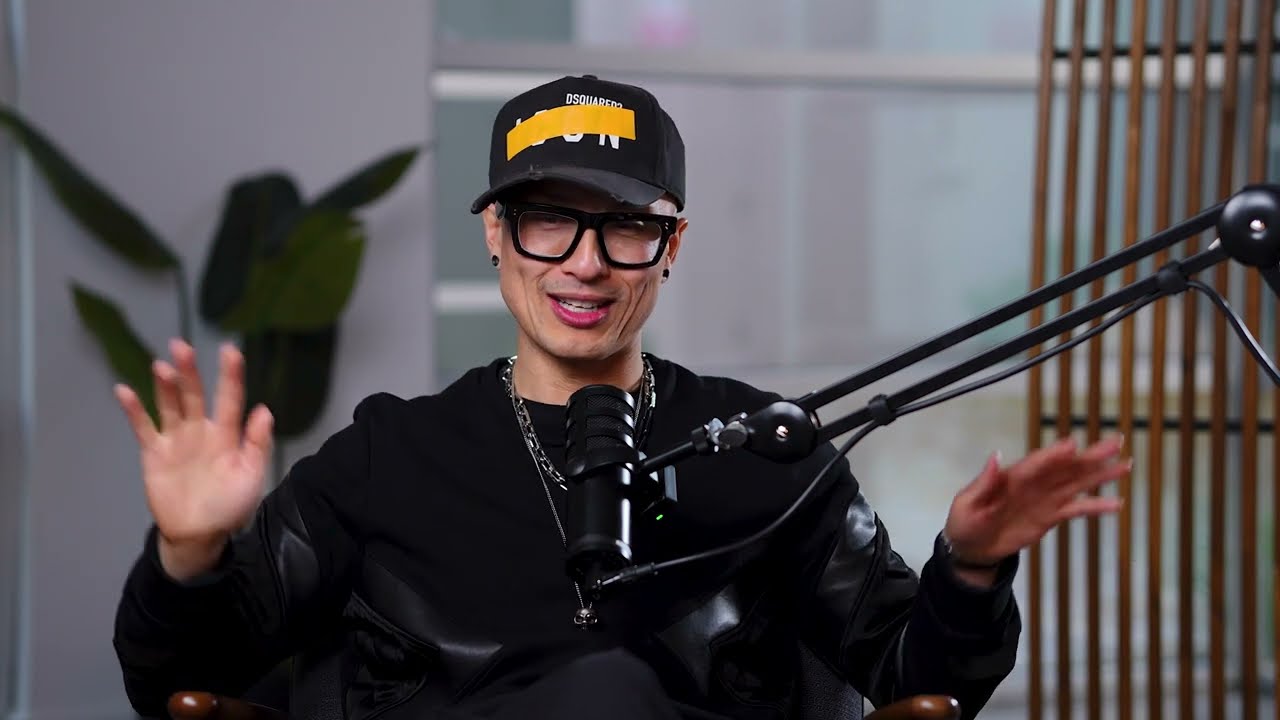
Media & Marketing / The Futur · Blind
Chris Do.
THE PERSON BEHIND THE WORK
Chris Do founded the motion-design studio Blind before creating The Futur, where he teaches the commercial skills that help creative professionals build a livelihood.
THE ESSENTIALS
- Full name
- Chris Do
- Public name
- Chris Do
- Date of birth
- Not publicly confirmed
- Place of birth
- Saigon (now Ho Chi Minh City), Vietnam
- Origin / upbringing
- Vietnamese-American; his family fled Vietnam in 1975
- Current residence
- Not publicly confirmed
- Business
- The Futur · Blind
- Background
- Blind founder and The Futur founder and CEO
Biographical references: The Futur · Chris Do: returning to his birthplace · The Futur: Chris Do biography
Explore the chapters8 CHAPTERS +
Building a studio meant learning more than design
Chris Do established Blind, a motion-design company, in Los Angeles in 1995. His own biography describes developing skills in bidding for projects, generating leads and conducting sales conversations alongside his creative practice. Running the studio required design choices to be joined to the commercial work of securing and delivering client projects.
Blind supplied a professional foundation for the education that followed. Maintaining client relationships, selling services and sustaining an operation raised practical business questions beyond the craft. Do later brought those questions to a broader audience of designers and other professionals seeking to make a living through creative work.
Sources [1]
Finding the commercial language for creative ability
Do credits business coach Keir McLaren with influencing the development of his company through a long mentoring relationship. In his account, that guidance helped him relate design expertise to pricing, positioning and selling. Understanding the commercial relationship became another capability to develop alongside the creative skills themselves.
This connection shapes The Futur's educational interests. Its material considers how creative ability becomes a livelihood, bringing client conversations and business development into the same discussion as branding and design. Practical commercial decisions are treated as part of developing a creative career rather than as matters outside the professional's work.
Making studio knowledge available to learners
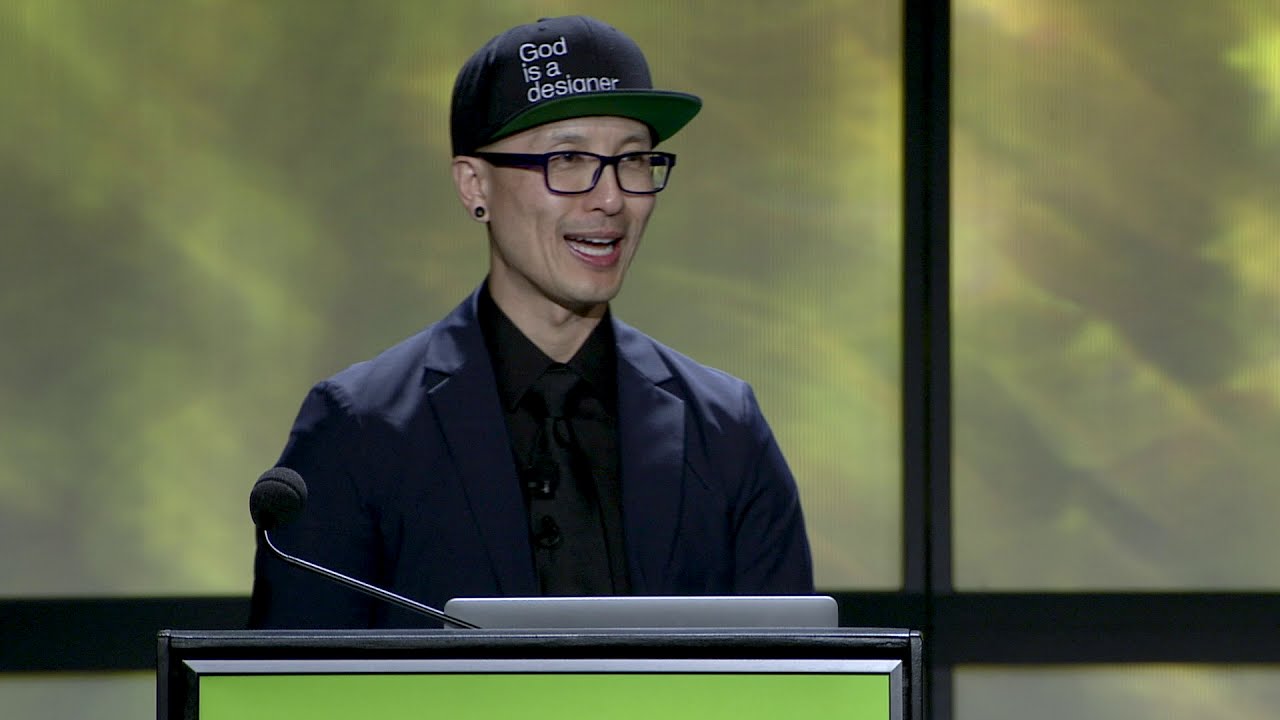
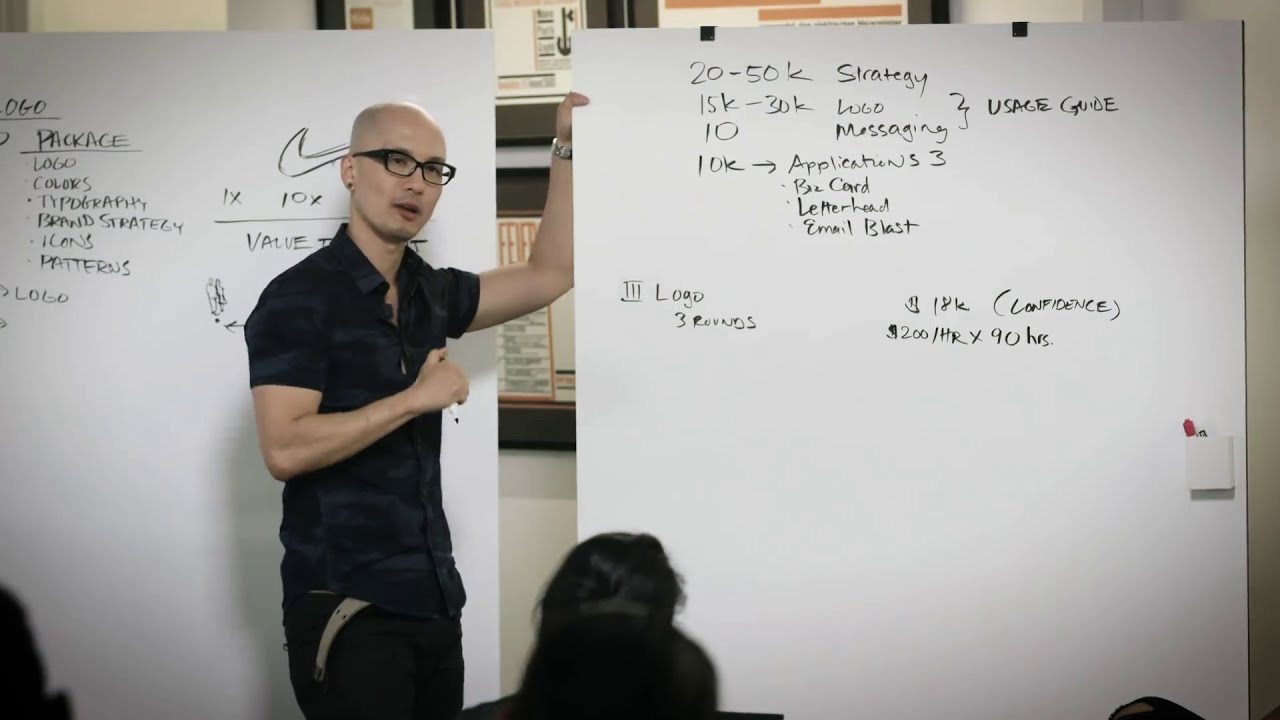
Do founded The Futur, serves as its chief executive and appears as a presenter. Courses, coaching, community and freely available media provide different forms of access. Demonstrations and conversations give tangible settings to subjects such as sales and pricing for designers and other people offering creative services.
The educational business converts an operating background into material others can study. Someone might begin with a podcast or video, then investigate a course or community. These formats share a subject: the practical challenges encountered when people want their creative work to support an ongoing business.
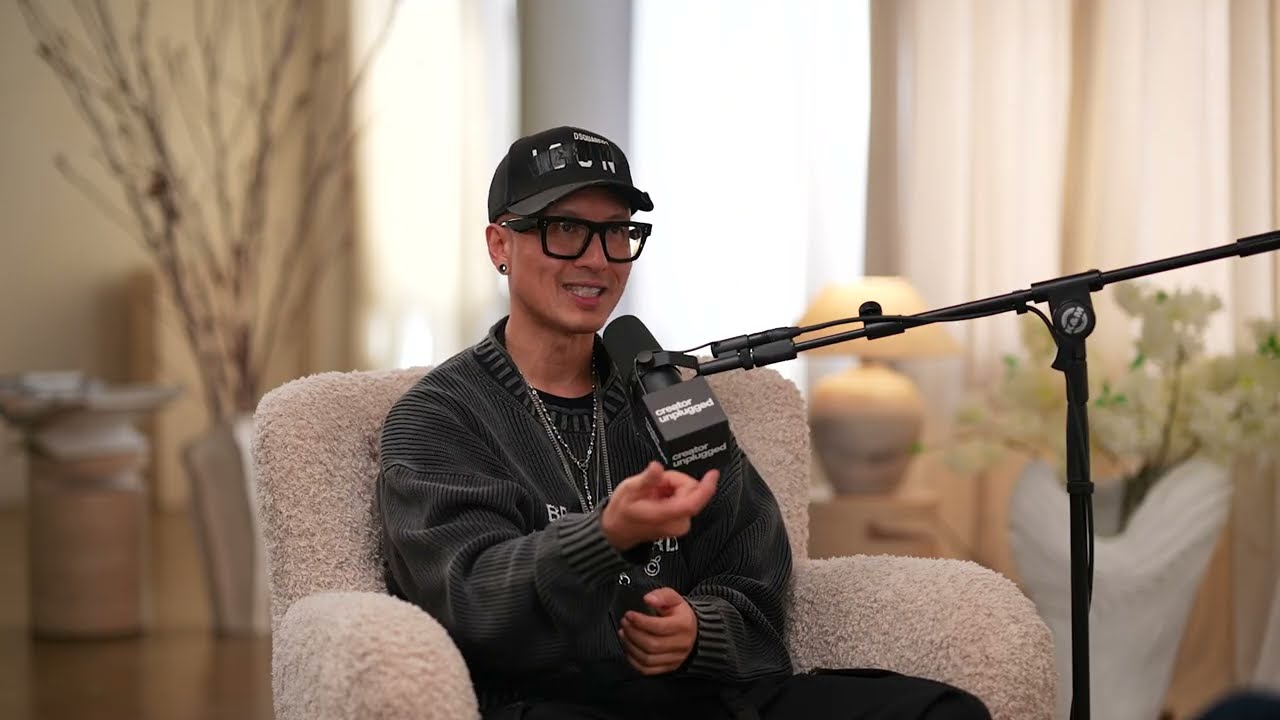
Explaining the business around creative services
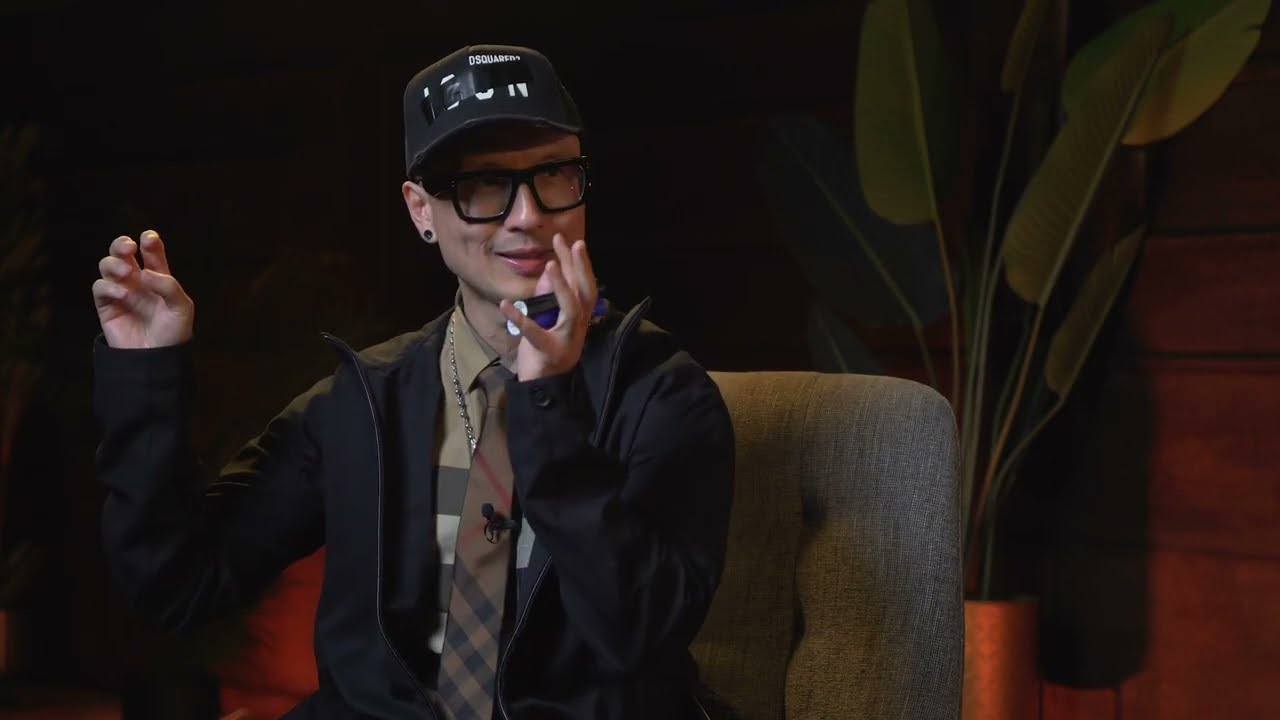
Do's public profile includes activity on YouTube and other social platforms. Sales, pricing, personal branding and content creation are among his speaking subjects. The same themes connect his media work with The Futur's educational products, giving audiences several possible points of entry into its material.
His career therefore includes two related businesses: a studio delivering creative services and a platform teaching the commercial skills surrounding them. Both concern the relationship between ability and business understanding. Across these settings, earning a living through creativity has become a central subject of his professional identity.
Where a creative skill meets a client relationship
Do's teaching addresses the moment when making creative work becomes part of a professional exchange. Producing strong design is one responsibility; explaining a proposal, agreeing its scope and communicating with a client add others. These tasks connect creative practice to the operation of a business. The Futur makes that connection central to its educational identity. The subject includes decisions before a project begins and conversations after the work is made, helping practitioners consider the wider relationship surrounding the output they produce.
Understanding the client's problem is an early part of that relationship. A proposed service must explain what will address the problem in terms the other person can assess. Price, deadlines and deliverables all belong within this exchange. Because Do's teaching deals with these questions, its audience extends beyond people seeking instruction in a particular design application. The platform presents creative business education concerned with organizing and explaining professional practice, as well as having the expertise to carry it out.
The studio background gives these questions a practical origin. Client projects and teamwork provide a setting in which the commercial relationship is encountered repeatedly. Do's biography connects that experience to the platform he later established, creating continuity between providing services and discussing how they are sold. This background explains the public teaching without implying that one lesson will work identically for every client, freelancer or studio. Application still depends on the professional circumstances in which a question arises.
Translating experience into something others can study
The Futur gives business education a recognizable home across publishing and learning formats. A public discussion can introduce a question; structured material allows a learner to examine it in greater depth over time. Do connects these experiences through a consistent identity and subject. The platform is both an organization and a means of presenting his approach to creative business. Its own descriptions establish his founding role and explain the education associated with the name.
A lesson about commercial conversation needs a setting, not simply a principle. The people involved may describe the same project in different language, and each brings particular interests to the exchange. A proposal helps the designer and client arrive at a shared understanding. Do's business subjects allow these situations to be explored in detail. The emphasis follows the professional relationship around creative work alongside the methods used to produce it, making the surrounding communication part of what learners can study.
Teaching also changes the relationship with an audience. A client commissions a defined result, whereas a learner seeks understanding to use in a situation of their own. Experience has to be explained to people who did not participate in the original project. Do's biography and the platform's description locate his career within that transition from service delivery to education. The professional focus remains recognizable: the ordinary questions facing people who operate creative businesses and must make decisions about their own work.
A lasting identity for creative business education
The Futur gives people a place to return to beyond a single discussion or video. Do provides an identifiable presenter, while the platform provides an organizational structure around the teaching. Their relationship brings authorship, educational work and a commercial offer together. It also makes the biography specific: this is a named founder connected to a named business, with descriptions of that connection available in the organizations' own material. General online recognition is supported by an identifiable professional association.
The relationship between creative value and commercial communication runs through the documented career. Making work, explaining its value and sustaining the operation behind it are related responsibilities. Blind supplies the studio experience; The Futur carries discussion of those responsibilities to a larger learning audience. The progression connects creative practice with education about the conditions that allow it to continue as a business, retaining the practical questions of working professionals at its center.
Learning in the context of one's own work
The Futur addresses people who make decisions about their own professional activity. Its teaching therefore has a setting beyond following a public presenter. A discussion of proposals or client relationships can be considered in relation to the learner's own work. Do's experience and platform explain why this audience need became the focus of an educational business. The usefulness of an individual lesson still depends on how the learner understands and applies it within a particular professional situation.
Sources [1]
THE REFERENCE DESK
Go to the
source.
Explore the company records, first-person accounts and reporting behind this biography. Numbered references connect each chapter to its source material.
- The FuturChris Do — founder biography
CONTINUE THE RESEARCH
In their
own words.
OFFICIAL WEBSITES & CHANNELS
The FuturTHE VISUAL RECORD
A closer look at
Chris Do.
3 photographs
Moments beyond the words.