Technology / Starling Bank
Anne Boden.
THE PERSON BEHIND THE WORK
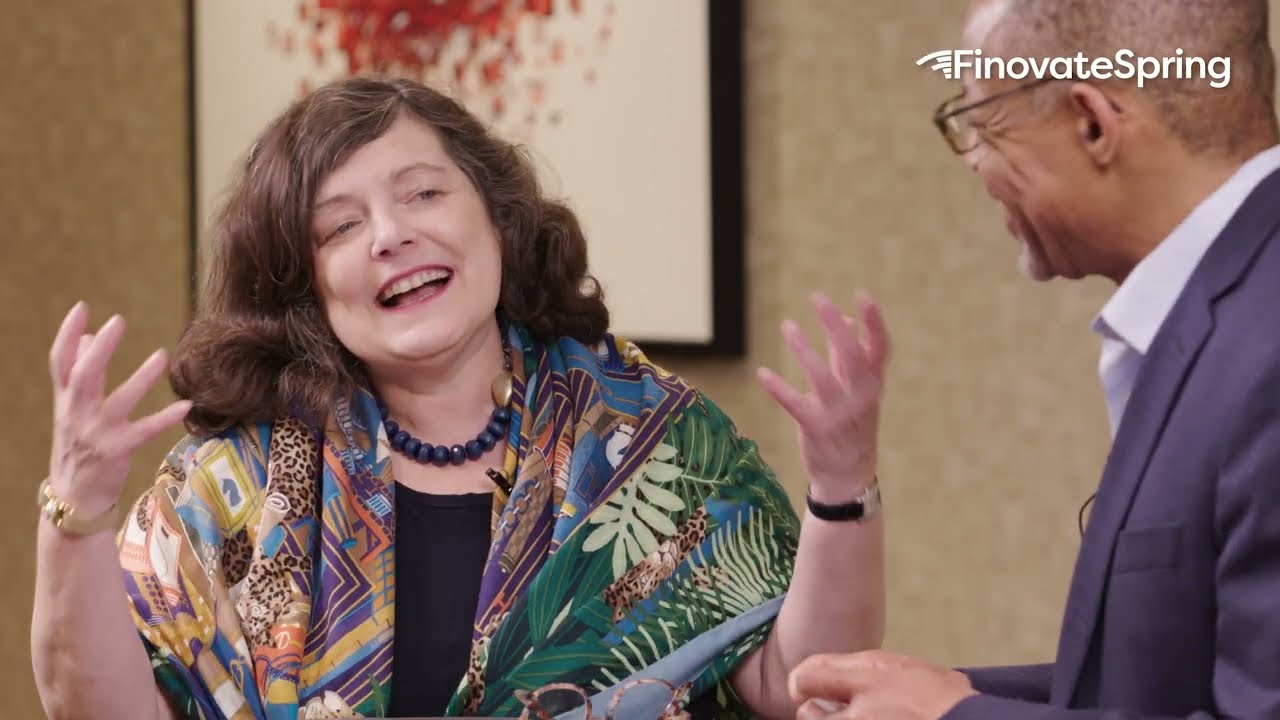
Anne Boden brought a long career in banking operations and technology to the creation of Starling Bank, designing a new institution around mobile banking.
THE ESSENTIALS
- Full name
- Anne Elizabeth Boden
- Public name
- Anne Boden
- Date of birth
- January 1960 (full date not publicly confirmed)
- Place of birth
- Swansea, Wales, United Kingdom
- Origin / upbringing
- Grew up in Bon-y-maen, Swansea, Wales, United Kingdom
- Current residence
- Not publicly confirmed
- Business
- Starling Bank
- Background
- Starling Bank founder and former chief executive
Biographical references: Starling Bank · Biographical reference
Explore the chapters9 CHAPTERS +
A technical education finds its place in banking
Anne Boden studied chemistry and computer science at Swansea University, graduating in 1981 before joining Lloyds Bank as a graduate trainee. Recalling that period in a university interview, she describes joining the computer department and looking at ways to organize cheques more effectively. Banking offered an early practical setting for the technical ideas she had encountered during her studies.
She went on to build extensive experience in financial institutions' technology and operations. By the time she chose to establish a bank herself, she understood many of the systems and organizational arrangements used across the industry. Her decision to become a founder grew from this professional foundation and from an interest in approaching banking with a different starting point.
Sources [1]
Creating a bank for the mobile customer
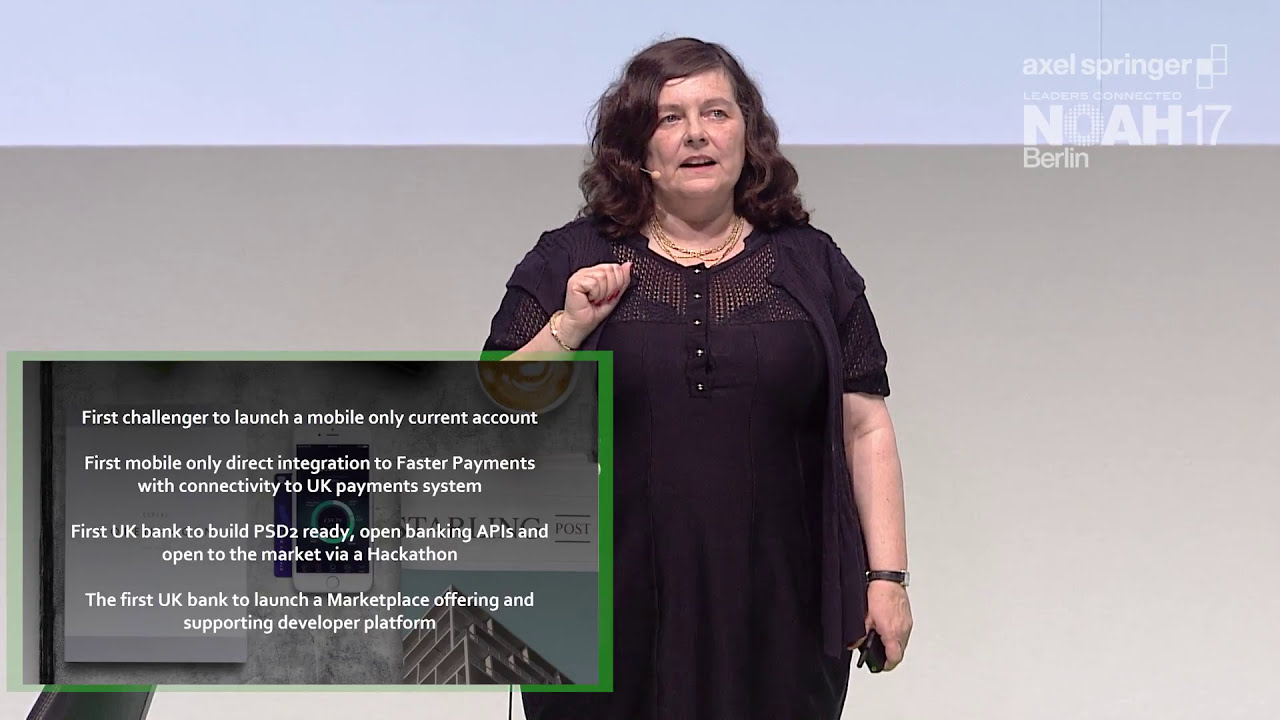
In 2014, Boden founded Starling Bank around a mobile banking model. That choice shaped both the service customers would use and the infrastructure supporting it. The institution later expanded from its original personal accounts into business banking and banking technology, taking the capabilities developed around the founding proposition into additional areas.
Serving as founding chief executive, Boden led the work of establishing the institution. An app was one part of a much larger undertaking that required people, systems and an organization able to operate accounts in a regulated setting. Her founder story links the experience visible to a customer with the extensive operational work behind it, drawing together interests in banking and technology that preceded Starling.
The decision to pass on executive leadership
Boden announced in May 2023 that she would step down as chief executive on June 30, 2023. The planned handover was publicly reported, while her final letter as CEO explained the decision in her own words. John Mountain was named interim chief executive. Her position in this account is therefore that of Starling's founder and former CEO.
This handover belongs to the leadership story as much as the original founding decision. Creating an institution and directing its everyday work are related responsibilities that can change over time. Boden's career includes employment within established banks, the creation of Starling and the choice to transfer executive responsibility as the bank continued to develop.
Choosing where to apply computing skills
In recalling her early career choices, Boden describes considering several computing roles outside banking. Possibilities included computer analysis of paint in Zurich, defence-related work and GCHQ. Her mother suggested that she also apply to Lloyds. The bank offered her a graduate traineeship, opening the route into financial services that would shape her subsequent career.
She recalls enjoying the computer department and finding the work natural. It gave her a setting in which technical problems had immediate organizational uses. Everyday banking processes supplied practical questions to explore, allowing her interests to develop well before she set out to create an institution built around mobile access.
Sources [1]
A sorting problem with a practical purpose
One example from Boden's university interview concerns applying a bubble-sort algorithm learned at Swansea to cheque sorting in a bank. It connects a formal computing concept with an ordinary operational problem. Exploring that application shows her interest in taking technical knowledge into the work colleagues carried out each day.
The episode also helps explain the experience she brought to founding. Customer service, technology and the people operating an institution depend on one another; she had encountered those connections within banking before establishing Starling. Developing the new bank and its systems gave that operational understanding a different setting in which to be applied.
Sources [1]
A founding chapter followed by a handover
Boden's final CEO letter gives her personal account of leaving executive leadership after the years spent creating and developing Starling. The change altered her daily responsibilities while preserving her place in its origins. It forms another chapter in a longer professional life concerned with how banking and technology work together.
That career runs from entering financial services and gaining experience in large organizations to establishing a bank with a distinctive operating approach. The leadership transition marks a subsequent stage in that sequence. Responsibility for Starling's continuing operations rests with its ongoing leadership, while Boden's founding contribution remains part of the institution's history.
Sources [2]
Understanding the systems behind the service
The early cheque-sorting example offers a concrete way into Boden's later work. A modest operational task becomes a place to test a technical idea inside an established organization. The algorithm matters because it can be related to the needs of colleagues and, through the processes they operate, customers. Her recollection illustrates how computing knowledge can meet a practical banking problem. It also provides an early point of reference for the interest in systems that remained useful when she progressed from working within financial institutions to creating a new one.
Mobile banking similarly connects an outward experience with a substantial organization underneath. Customers see account information, screens and transactions; those interactions depend on technology, operational processes and people behind the service. Starling's creation therefore required attention to product design as well as the broader work of running a bank. Boden approached it with an established career in the industry. Her technical and financial experience reinforce one another, giving the account continuity between an understanding of institutional processes and the possibility of a different experience for customers.
Chemistry and computer science belong at the beginning of this sequence. They locate her analytical and technical interests before the entrepreneurial chapter, while the graduate role at Lloyds explains where those interests acquired a professional application. The order matters because the founding decision followed an accumulation of experience. Starling emerged after years within banking, with knowledge of existing institutions contributing to the foundations of a new one. The story is consequently as much about what she learned before founding as about the initiative to establish the bank.
How leadership changes as an institution develops
Founding an institution and holding its chief executive position involve different forms of responsibility. One concerns the initial initiative and the definition of an approach; the other concerns continuing operational leadership. Boden held both roles before announcing that she would leave the executive post. Her final CEO letter records her explanation of that decision. Keeping the announcement and departure dates explicit preserves the distinction: founder describes her enduring historical contribution, while former CEO accurately identifies the executive role after the stated handover.
Starling's move from personal accounts into business banking and banking technology also places its founding proposition in a wider organizational context. The activities serve different users and needs, drawing on capabilities associated with operating a bank. They show how an institution can begin around one customer experience and subsequently apply its infrastructure elsewhere. In Boden's profile, that development gives the original mobile approach a longer horizon. It also prevents the bank from being understood solely through its first app or its founder's responsibilities from appearing fixed indefinitely.
The available accounts contribute different parts of the chronology. Boden's university recollections explain her education and professional beginnings; her own company account records her perspective on the institution; reporting on the announced handover establishes a change in leadership. Together they support a sequence from technical study through a banking career to Starling's creation and a later executive transition. The thread connecting these stages is sustained interest in the way technology and organization shape a financial service and the experience of the people using it.
Experience accumulated before the founding decision
Dated accounts of Boden's education and company career allow the stages to be followed without making the eventual outcome seem predetermined. Technical study, entry into banking and the decision to create Starling each arose in its own circumstances. Considered together, they document the depth of professional experience that preceded her move into entrepreneurship and gave the founding chapter its particular foundation.
Sources [1]
THE REFERENCE DESK
Go to the
source.
Explore the company records, first-person accounts and reporting behind this biography. Numbered references connect each chapter to its source material.
- Swansea UniversityAnne Boden
- Starling BankLetter from Anne Boden
CONTINUE THE RESEARCH
In their
own words.
OFFICIAL WEBSITES & CHANNELS
Starling BankTHE VISUAL RECORD
A closer look at
Anne Boden.
3 photographs
Moments beyond the words.