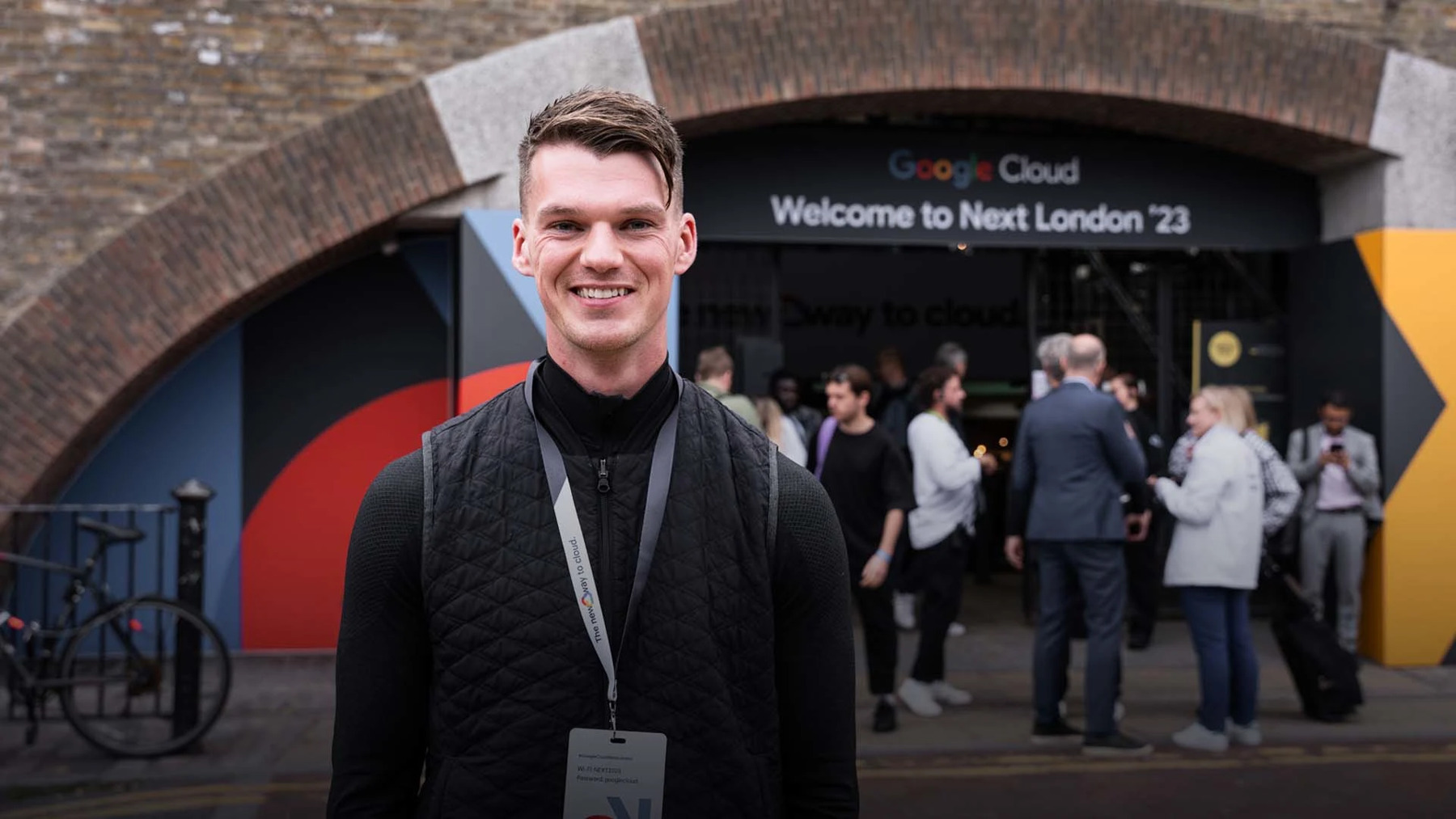
Consumer Brands / Gymshark
Ben Francis.
THE PERSON BEHIND THE WORK
Ben Francis turned his enthusiasm for lifting into Gymshark, building a fitness clothing company whose development has involved product making, community and changing leadership responsibilities.
THE ESSENTIALS
- Full name
- Benjamin David Francis
- Public name
- Ben Francis
- Date of birth
- 4 June 1992
- Place of birth
- West Midlands, England, United Kingdom (city not publicly confirmed)
- Origin / upbringing
- Grew up in Bromsgrove, Worcestershire, England, United Kingdom
- Current residence
- Not publicly confirmed
- Business
- Gymshark
- Background
- Gymshark founder and chief executive
Biographical references: Gymshark · Biographical reference
Explore the chapters10 CHAPTERS +
Clothing shaped by a lifter's own interests
Ben Francis founded Gymshark in 2012, aged nineteen. His interest in the gym supplied both the idea and the audience: he wanted fitted clothing for people who shared his enthusiasm for lifting. In the company's account of its beginnings, the customer was close to his own experience, giving the first products a clear purpose and a particular group of people to serve.
The original website also sold supplements through dropshipping, a model that allowed sales without purchasing stock in advance. Apparel developed from production in a small garage into a business designing and distributing its own fitness clothing. These beginnings combined experiments in online retail with the physical work of making garments for a new generation of gym users.
A shared training culture around the products
Gymshark describes community as fundamental to its identity. Its stated values include listening to customers, learning from them and retaining a connection with its beginnings. Clothing, content and events appear together in that presentation, offering different ways to engage with the company through a shared interest in lifting and preparation.
Those statements describe the company's intentions and public identity; they do not independently measure the experience of each customer. They nevertheless clarify the business Francis developed. Apparel is placed within the routines and interests of an audience, while training provides common ground for products, media and community participation.
Sources [2]
Financing the next stage of international growth
Ownership decisions became part of Francis's work as Gymshark grew. An account of the 2020 investment records shareholders seeking capital for international expansion while keeping Francis in control. General Atlantic bought a minority stake, supported by lead advisers working across the UK and US.
The transaction was organized during lockdown, with technology allowing participants to work together remotely. Preparing for an investment partner required diligence, the collection of information and planning for a wider international operation. These responsibilities were far removed from producing the first garments, but they became part of the same company's development alongside its familiar products and community.
Sources [3]
Learning through different leadership roles
The company's history records Francis leaving the chief executive role in 2017 to become chief brand officer. He concentrated on brand identity, innovation and creative content. Steve Hewitt took on executive leadership, working on the organizational foundations needed as Gymshark continued to develop.
Francis returned as CEO in August 2021, and the company's profile identifies him as founder and chief executive. His route included a period focused on a particular part of the operation before he again led the wider business. That movement between responsibilities makes the development of his leadership an integral part of the founding story.
Learning the product through making it
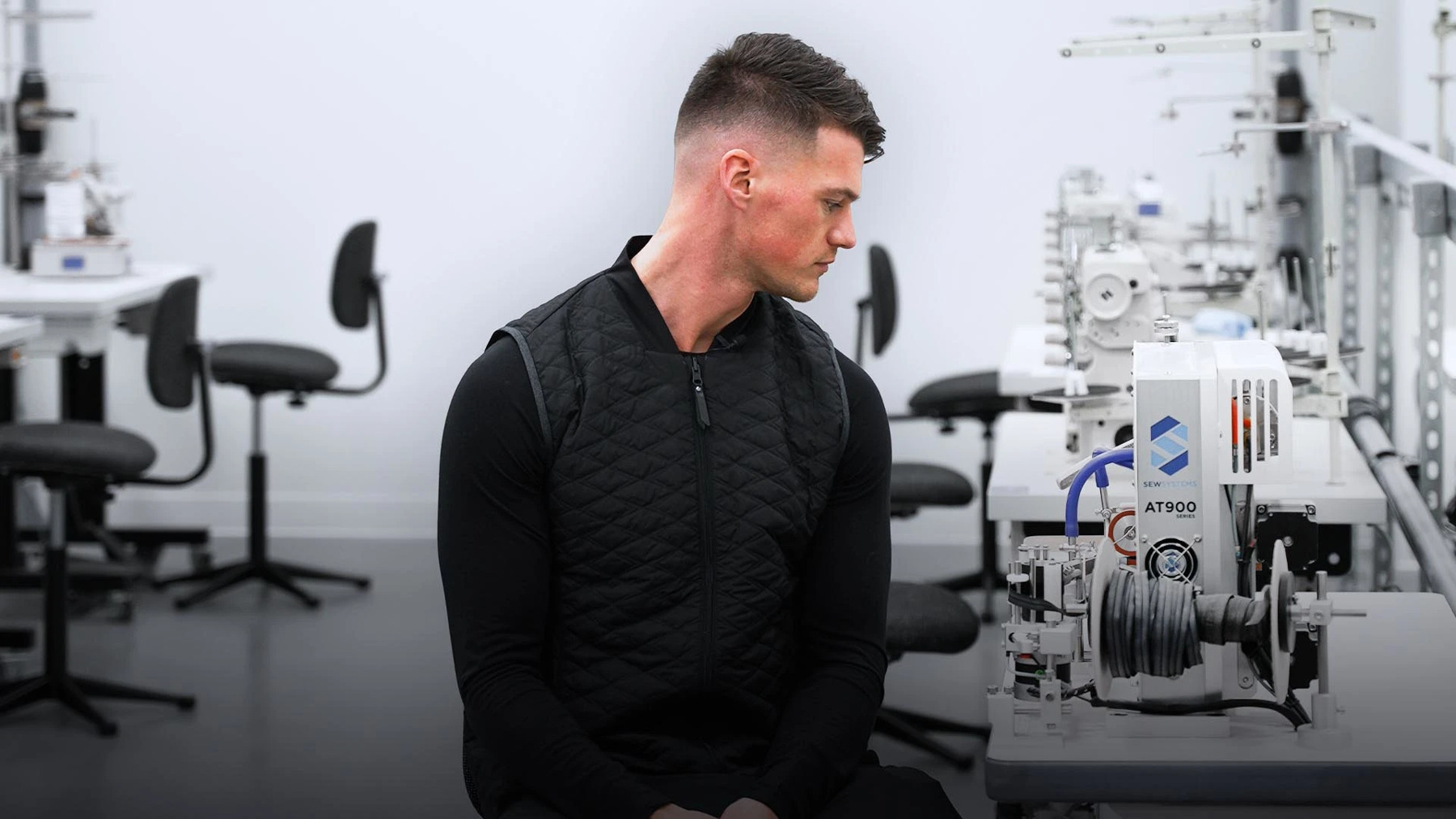
Early Gymshark garments were made by Francis and his friends using a sewing machine and screen printer. The garage became a workspace where preferences developed in the gym could be translated into clothing, adjusted and printed before being shown to fellow lifters. Physical production accompanied the effort to establish a website and begin selling.
Working this closely with apparel connected Francis to decisions about fit and appearance. An idea could become a garment and then prompt a conversation with someone who understood its training context. Before Gymshark had the resources of an established sportswear company, its founder was learning both how to create clothing and how to introduce it to customers.
Sources [1]
Meeting the audience at BodyPower
Gymshark identifies the 2013 BodyPower exhibition as an important early opportunity to meet its audience. The gathering provided a physical setting for presenting products to people interested in training. A company developed through a website and garage could now stand in front of the lifters it hoped to serve.
The event added direct contact to the brand's online relationships. Visitors could examine clothing, meet people associated with Gymshark and speak with the company in person. Bringing those elements into one shared space allowed the young business to connect its digital presentation with the real audience around which it had been conceived.
Sources [1]
Making the company ready for an investor
The account of General Atlantic's investment describes advisory teams in the UK and US supporting Gymshark's shareholders. The objective was to fund international development while retaining Francis's control. Lockdown shaped the process, so remote collaboration became the working method for preparing and completing the transaction.
Explaining operations, information and future plans to an outside partner introduced a more institutional setting for the founder's work. His responsibilities now extended beyond the apparel itself to ownership choices, professional advisers and preparations for a wider footprint. The investment chapter shows the organizational demands that accompany the development of a consumer brand.
Sources [3]

From personal enthusiasm to a recognizable proposition
Gymshark's beginnings are distinctive because the founder's interests and the intended customer's interests were closely aligned. Training clothes are judged through movement, fit and the circumstances in which people wear them. Francis approached those questions with his own experience of fitness. The company's account places practical product development and selling at the center of the early story. Branding then gave separate garments a common identity, allowing customers to recognize a continuing proposition across purchases instead of encountering each product in isolation.
Online retail adds further responsibilities to that proposition. Photographs and sizing information help people choose, while delivery and receiving an order shape their experience after purchasing. Gymshark's fitness community offers another point of connection, relating the clothing to what its audience does and values. The business consequently combines e-commerce with a broader identity around training. For Francis, entrepreneurship encompasses the physical goods and the work required to present them coherently to people who share his interest in fitness.
The organization behind the clothing
A clothing company depends on work that customers may never see directly. Design choices must connect with production, available stock and the service accompanying an order. The company's history and the account of its investment transaction make that organizational setting visible. Together they add a corporate dimension to the familiar garage story. The transaction account is particularly useful because it records a defined professional engagement, giving a different perspective from the brand's own description of its identity.
The progression also changes the demands of leadership. Making an early garment requires practical attention to a product; coordinating teams and deciding the direction of a growing company require a wider view. Francis's career includes both. Following these responsibilities gives the story more depth than a single founding idea. An enthusiasm for lifting became product development, then continued into operating a business whose audience encountered it through clothing, online shopping and community activity.
Gymshark remains the central association across these stages. Its company history and the documented investment process explain different aspects of development, keeping the founder's personal journey connected to an identifiable organization. This provides a basis for describing the business without assuming particular commercial results or treating every customer's experience as identical.
Following the founder and the company together
Francis's biography follows the individual who initiated the business, while Gymshark's history follows the organization and its developing relationship with customers. These perspectives illuminate the same progression from different directions. Together they preserve the personal beginnings of the venture while showing the structure, products and leadership decisions through which the company developed.
Sources [1]
THE REFERENCE DESK
Go to the
source.
Explore the company records, first-person accounts and reporting behind this biography. Numbered references connect each chapter to its source material.
- GymsharkThe official Gymshark story
- GymsharkAbout Gymshark
CONTINUE THE RESEARCH
In their
own words.
OFFICIAL WEBSITES & CHANNELS
GymsharkTHE VISUAL RECORD
A closer look at
Ben Francis.
3 photographs
Moments beyond the words.