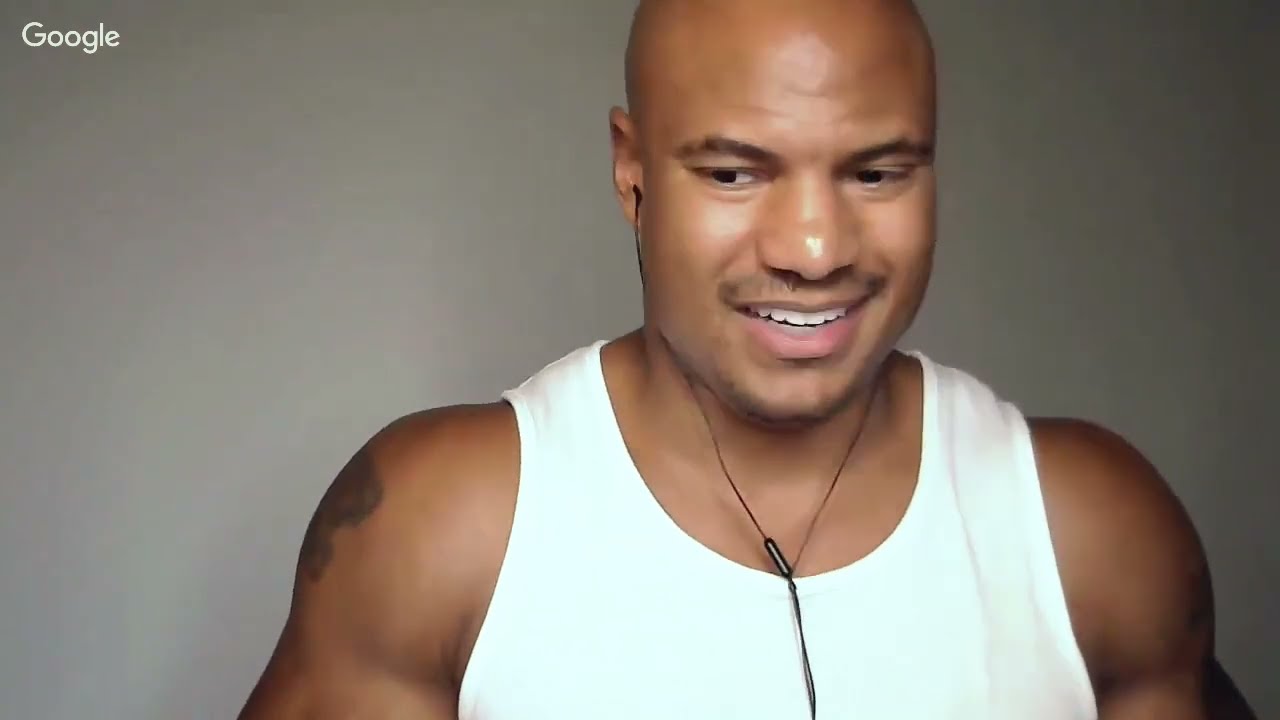
Digital Business / High Ticket Trainer
Brandon Carter.
THE PERSON BEHIND THE WORK
Brandon Carter founded High Ticket Trainer, bringing his fitness background into business education for personal trainers developing online coaching services.
THE ESSENTIALS
- Full name
- Brandon Carter
- Public name
- Brandon Carter / King Keto
- Date of birth
- 1982 (full date not publicly confirmed)
- Place of birth
- Chicago, Illinois, United States
- Origin / upbringing
- Grew up on the South Side of Chicago, Illinois, United States
- Current residence
- Not publicly confirmed
- Business
- High Ticket Trainer
- Background
- High Ticket Trainer founder and coach to fitness businesses
Biographical references: Brandon Carter · Fitness biography
Explore the chapters7 CHAPTERS +
A fitness career before the business teaching
Brandon Carter's account of his background includes personal training, fitness modelling and content creation. These activities provide a practical origin for the business education that followed. His public work connects fitness expertise with the professional challenge of earning a living by offering it to other people.
Publishing took that experience beyond individual clients. Videos and speaking appearances helped establish a recognizable presenter, while fitness remained a recurring subject. That professional setting provides context for the services and educational products associated with his public identity.
Sources [1]
A programme for trainers building online
Carter presents High Ticket Trainer to personal trainers who are developing online businesses. The programme concerns the commercial responsibilities surrounding coaching: explaining the service, finding customers and arranging an offer. It is business education directed at a defined fitness profession.
Public content continues alongside the programme. Free material introduces Carter and his approach, whereas structured learning gives the subjects a more focused setting. Those formats contribute to the same recognizable personal brand while offering different levels and forms of engagement.
The commercial work surrounding expertise
In longer interviews, Carter discusses his professional history and movement from fitness work into a coaching business. These conversations provide his account of the transition and the decisions he regards as significant. His own career narrative also contributes to the presentation of the service.
Statements about earnings and customer success belong to the speaker or programme making them. The identifiable activities are publishing, coaching and professional education. Together, they describe a business concerned with helping people organize existing expertise into a service, without establishing a result for every learner.
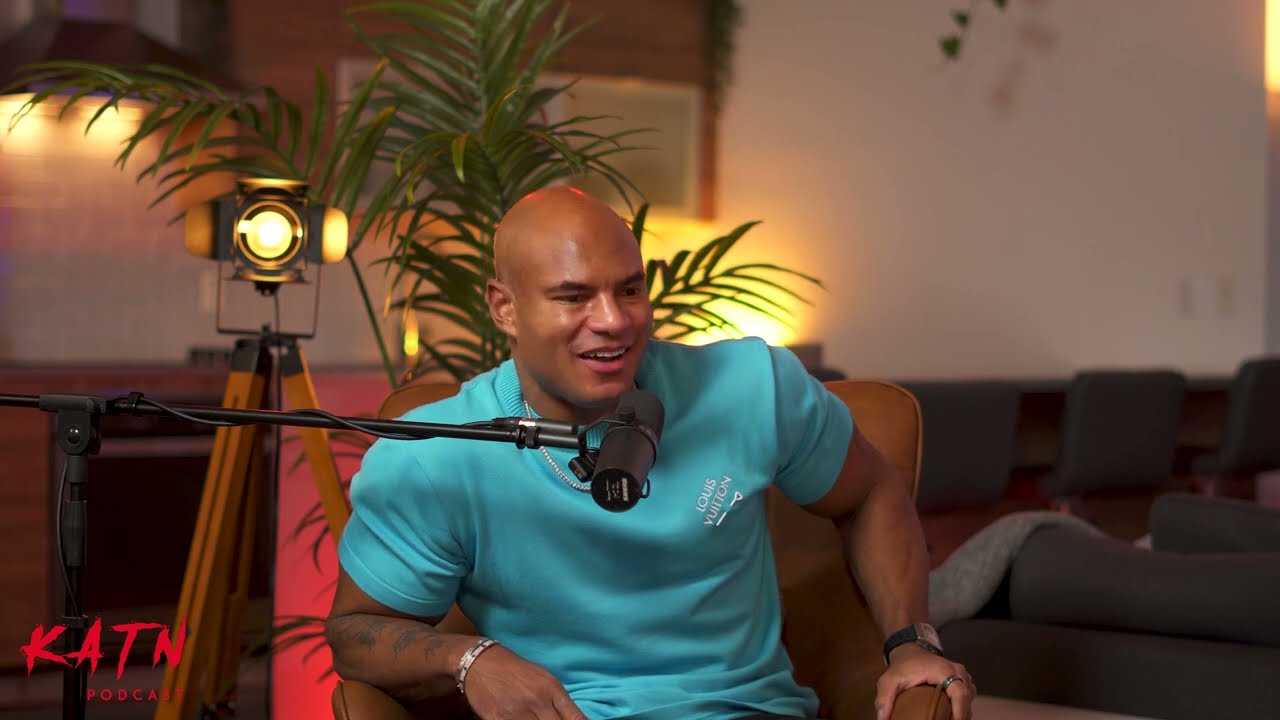
The experience that preceded the online offer
Carter's biography places personal training and nutrition alongside fitness modelling. Nike, Puma, Adidas and Men's Health are named within that modelling account. These associations give the early career both practical and public-facing settings. Working directly with a training client differs from appearing in fitness material for a brand or publication. Together, they supply a professional history beyond the courses and entrepreneurial content that may be more familiar to his current audience.
A personal trainer enters a defined relationship with a client. Understanding that person's aims and circumstances, organizing the work and providing guidance are part of the service. Carter's later education addresses the business around this expertise. Fitness provides the initial subject; organizing a commercial offer for fitness work provides the later one. This gives continuity to the entrepreneurial story without making one individual's experience evidence for the outcomes of every person who purchases education.
Public content created another route from that experience to an audience. A video can reach people who will never become direct training clients, making publishing its own activity around the same subject. Carter connects this creator identity with his educational programme. Interviews add his view of the professional transition, while the company catalogue identifies the offers. Practical services, media and education emerge as connected activities, each with a distinct relationship to the people it serves.
The learner at the centre of High Ticket Trainer
The intended learner is specific: a personal trainer considering an online fitness business. High Ticket Trainer's description focuses on positioning a service and finding clients. Fitness connects the programme to a profession, while the subject is how to run a business around that profession. Carter's founder role therefore associates him with a named educational offer and an identifiable audience, giving the career more definition than a broad description of motivational or entrepreneurial publishing alone.
Fit Biz Blueprint is another named learning format in the official catalogue. It indicates a collection of offers addressing related stages of online fitness business development. Each product has its own description, but the shared setting is clear. Learners bring existing or developing fitness knowledge and consider the responsibilities of selling a service around it. That relationship provides the education chapter with a practical purpose and connects Carter's public creator presence with a particular commercial activity.
Delivering coaching online changes how a trainer communicates and maintains a customer relationship. Material has to be organized and exchanged through digital formats. The programme makes the commercial side of that transition its subject. This focus can be described without treating general business education as an answer to individual health or training requirements. The professional account identifies an operator, a learner and an offer concerned with the business of delivering fitness expertise.
Sources [1]
Visibility and a working service are separate questions
Carter's public writing challenges the assumption that a large following automatically produces a viable fitness business. It connects audience development with the additional work of arranging and selling a service. This is useful context because his own media presence and educational offers are closely linked. Visibility does not turn every viewer into a buyer. The distinction gives his material for trainers a specific commercial question beyond the general ambition of growing a social account.
The same promotional material makes statements about income and participant outcomes. Such claims need evidence of their own before they can be treated as established results. The concrete career account concerns the formats, professional associations and named programmes. That preserves the business story without using a marketing figure as proof of what any particular trainer should expect. It also leaves the outcome of each engagement connected to the circumstances and evidence relevant to it.
Long-form interviews complement the catalogue by letting Carter describe his decisions and professional experience conversationally. The company material identifies what is offered; an interview reveals his perspective on the work. Together, these formats give the fitness background and education business a broader setting. Each contributes the kind of account it actually provides, rather than being made to establish conclusions beyond it.
From fitness knowledge to an organized offering
Carter's entrepreneurial identity brings fitness practice into public teaching. Training and modelling supply a background, recurring content makes that background visible, and educational products create a commercial learning offer. Considering them separately clarifies their relationship. People encounter the individual through publishing and encounter the business education through programmes addressed to other professionals.
Organizing expertise into a service is the recurring question. It links Carter's fitness career with an audience of trainers considering businesses of their own. His published accounts and named offers give this development concrete reference points, placing the individual, the professional background and the learning products within one coherent career.
Modelling adds another setting to that foundation. Appearing in commercial fitness material and working directly with a client are distinct activities within the same industry. Carter's account places both before the later educator identity. That public-facing and practical background can explain the progression without relying on programme income claims to define the career. The intended learner remains a trainer, keeping the commercial material connected to a specific profession and the responsibilities involved in offering fitness services to customers.
THE REFERENCE DESK
Go to the
source.
Explore the company records, first-person accounts and reporting behind this biography. Numbered references connect each chapter to its source material.
- Brandon CarterOfficial biography and High Ticket Trainer
- Grant Owen en Brandon CarterI Made $2.5M Without Relying On Motivation ft. Brandon Carter
CONTINUE THE RESEARCH
In their
own words.
OFFICIAL WEBSITES & CHANNELS
Brandon CarterTHE VISUAL RECORD
A closer look at
Brandon Carter.
3 photographs
Moments beyond the words.