Digital Business / Airbnb
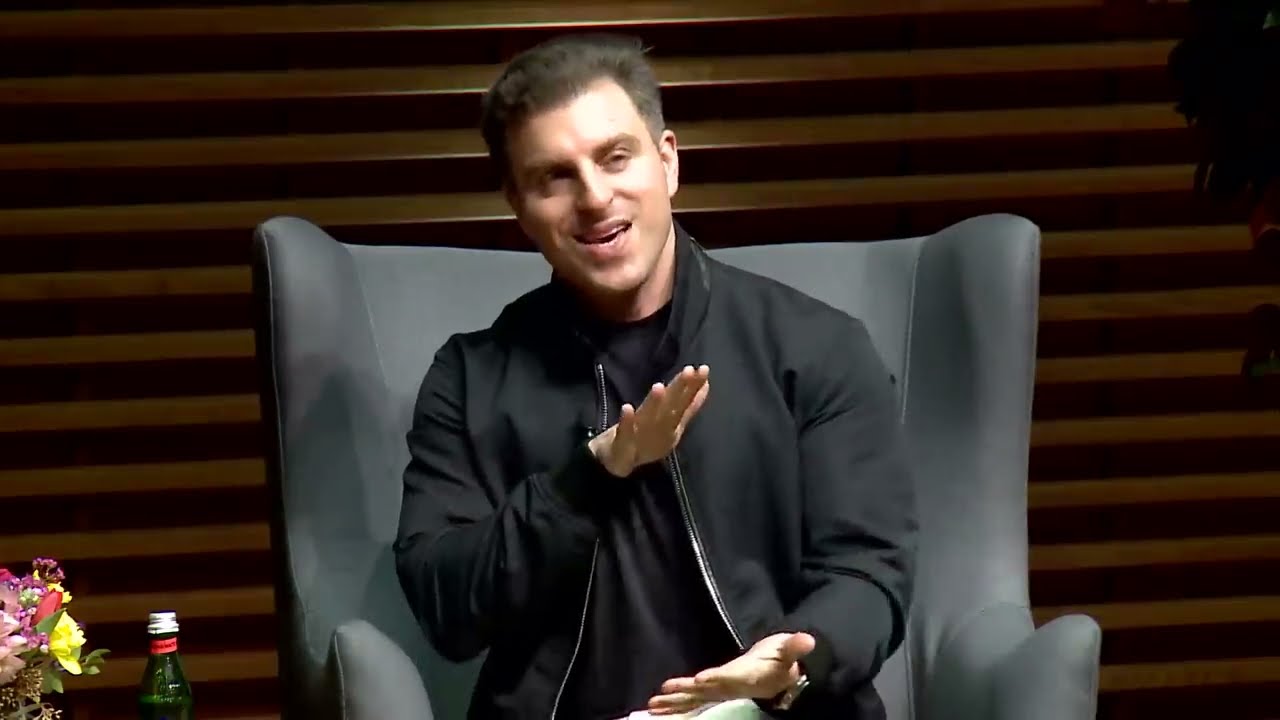
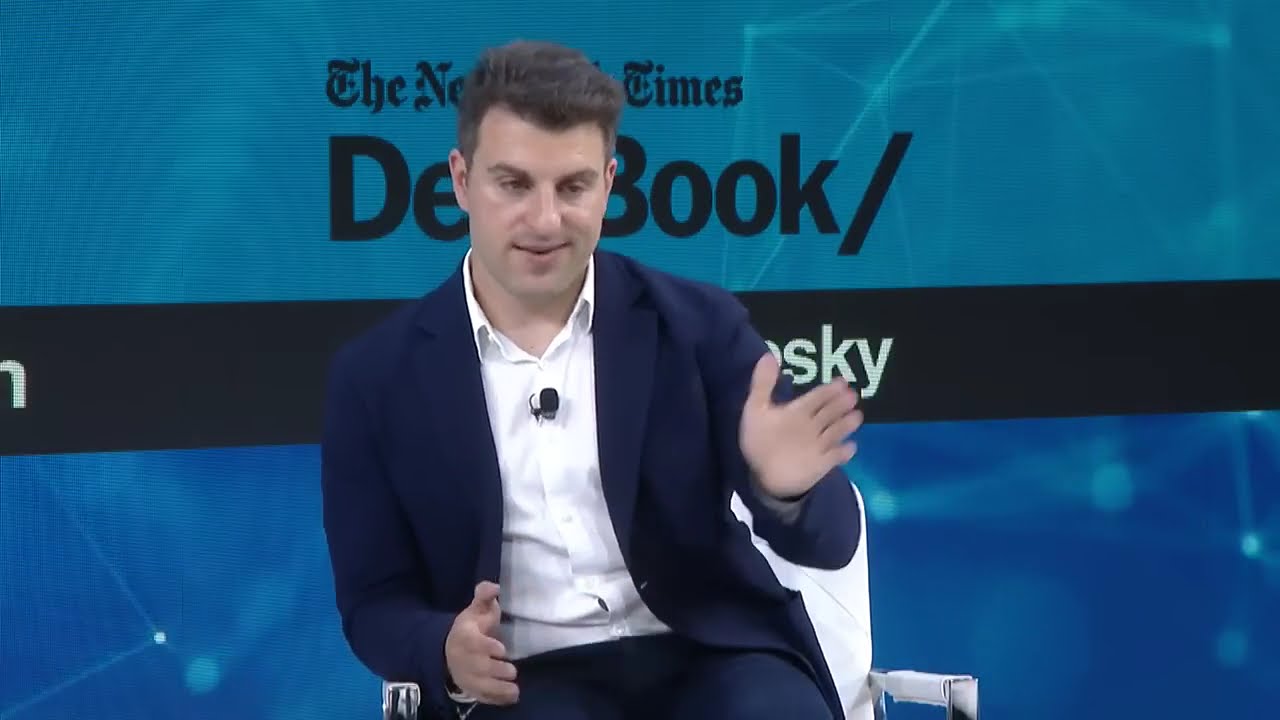
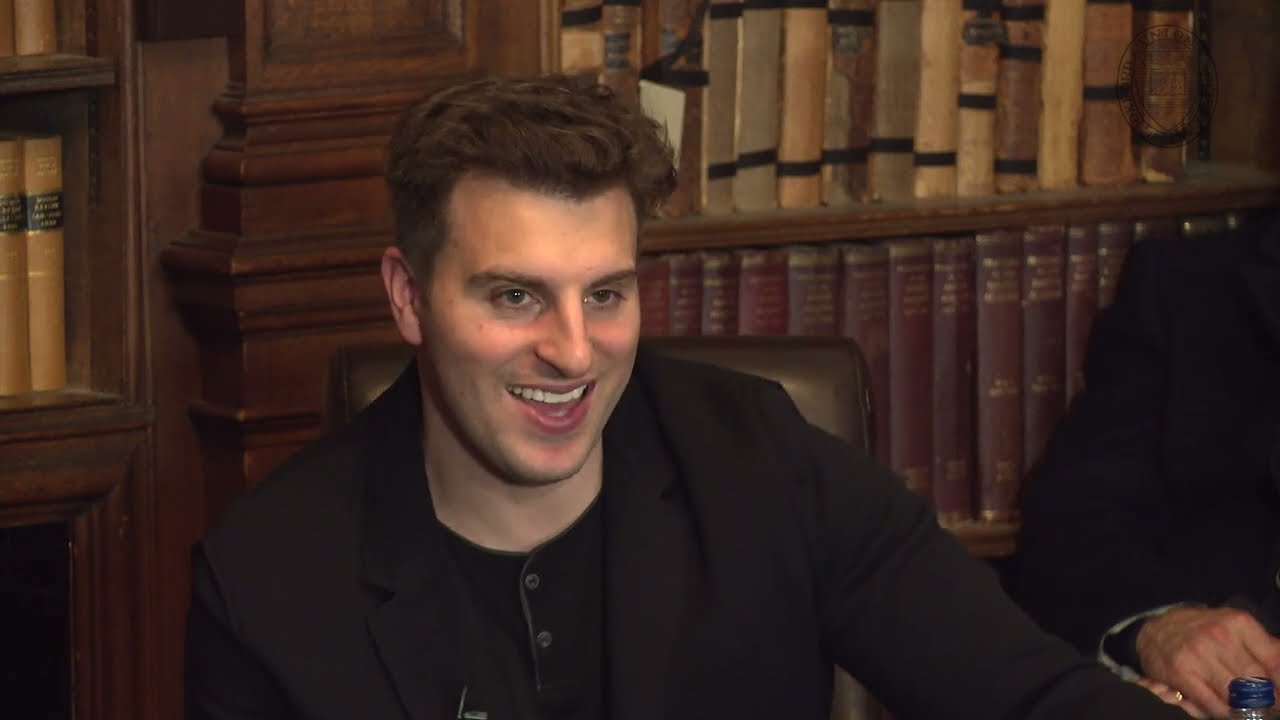
Brian Chesky.
THE PERSON BEHIND THE WORK
An industrial designer who co-founded Airbnb, Brian Chesky approaches a digital marketplace through the real experiences of its hosts and travellers.
THE ESSENTIALS
- Full name
- Brian Joseph Chesky
- Public name
- Brian Chesky
- Date of birth
- 29 August 1981
- Place of birth
- Niskayuna, New York, United States
- Origin / upbringing
- Polish family roots through his father and Italian roots through his mother; grew up in Niskayuna, New York, United States
- Current residence
- San Francisco, California, United States (publicly listed by Forbes)
- Business
- Airbnb
- Background
- Chief executive and co-founder
Biographical references: Airbnb · Biographical reference · Forbes residence listing
Explore the chapters9 CHAPTERS +
A founder trained to think through design
Brian Chesky graduated from the Rhode Island School of Design in 2004 with an industrial design degree. That preparation supplied a perspective he later applied to Airbnb. An unfamiliar accommodation service had to make a transaction understandable and help a traveller feel comfortable booking with a host they had never met.
His education is associated with creative problem solving, an interest he brought back to the school as its commencement speaker in 2017. Design training gives his entrepreneurial beginning a distinctive character. Usability and people's experience of a service became part of the larger responsibility of building and operating a technology company.
Sources [1]
Three guests and an early proposition
Airbnb dates its beginning to October 2007. Chesky and Joe Gebbia welcomed three guests into their San Francisco home under the name Airbed & Breakfast, and Nathan Blecharczyk later joined the founders. The first offering contained the central relationship: someone with accommodation to offer and someone seeking a place to stay.
The service launched officially in March 2008, with a website launch following in August. Its proposition joined unused household space with travellers considering an alternative to a conventional hotel. The company's account traces an international marketplace back to that apartment. In 2009, the name shortened to Airbnb as the scope of the original idea continued to develop.
Sources [2]
Leading through the experience of both participants
As Airbnb's co-founder and chief executive, Chesky is identified with responsibility for vision and strategy. The company's description of his role gives particular weight to hosts and guests. Design therefore appears within leadership as well as in the visual and practical choices made for the website and app.
Airbnb went public in December 2020. Its marketplace connects participants rather than owning every place offered through it. Chesky's work consequently crosses product design, hospitality and marketplace operations. Making the service clear and welcoming, while supporting the two sides of an exchange, connects these different responsibilities.
Hosts and travellers bring different needs to the same service. Their experiences meet within a shared marketplace, creating a design problem on each side. Chesky's attention to experience connects the participants with the way the company approaches its operations.
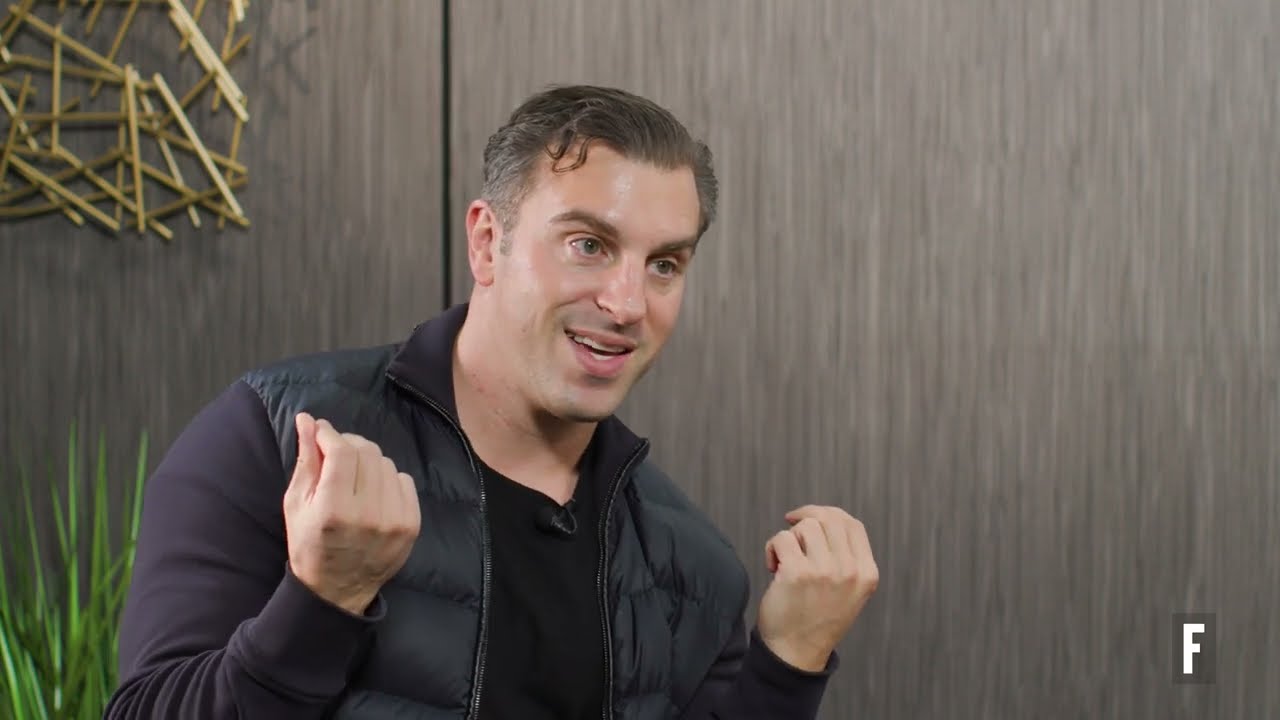
What happens after the booking screen
Industrial design concerns how people encounter and use something. After his 2004 graduation, Chesky helped build a business that combined a digital product with the physical experience of staying in another person's home. Airbnb therefore had to connect interactions on a screen with events taking place beyond it.
Making a reservation is only part of a stay. Communication, arrival and the accommodation itself also affect the guest's experience. These relationships explain the continuing relevance of Chesky's design background. The interface through which a visit is arranged and the visit that actually occurs belong to the same service.
Sources [1]
Finding occasions to introduce an unfamiliar service
The early timeline records two bookings at a March 2008 launch during SXSW, then 80 at the website launch around the Democratic National Convention later that year. Both events brought visitors looking for accommodation into the setting where the founders were testing their proposition. They provided specific occasions to put the idea into use.
Those figures describe the launches, rather than Airbnb's subsequent scale. They show the founders exploring demand through concrete travel needs, one event at a time. Chesky's task included introducing a service people did not yet know and learning where it might belong within a much wider accommodation market.
Sources [2]
Broadening the original room-sharing idea
In March 2009, Airbed & Breakfast became Airbnb and added apartments, entire homes and holiday rentals. Product developments in 2010 included a mobile app and Instant Book. The company opened an international office in Germany in 2011, adding an organizational step to the product's development.
The initial hosted-room proposition was becoming a broader marketplace, accompanied by booking tools and an overseas presence. Each extension required decisions about scope and the organization needed to support it. Chesky's history connects the first experience with the people, processes and systems required as the service entered new settings.
Sources [2]
Making a marketplace understandable to people
Chesky's design background helps explain the attention given to an unfamiliar service. People need to understand an offer, consider whether it fits their circumstances and know what to expect from the interaction. Small details can matter when a guest is arranging a stay with a host. His educational history and the company he helped create connect that concern with a particular business model. Design provides a professional foundation for considering not just how a product looks, but how another person encounters and uses it.
Host and guest occupy different positions in that model. One lists accommodation; the other searches and chooses whether to book. Information and communication bring their actions into a shared environment. This gives the founding story a different structure from a company selling stock that it owns. Chesky's association is with developing a service through which other people participate. The company describes a marketplace and the community around it, while his role connects that organizational identity with an individual founder and leader.
Considering both sides gives practical meaning to the design emphasis. What a guest needs to know depends partly on how a host prepares and presents a listing. The interface is one element, but the experience continues through messages, arrival and the actual stay. Chesky's career brings this attention to people together with the organizational work of leading the business around it. The service has to be understood through those connected encounters as well as through the product seen on a screen.
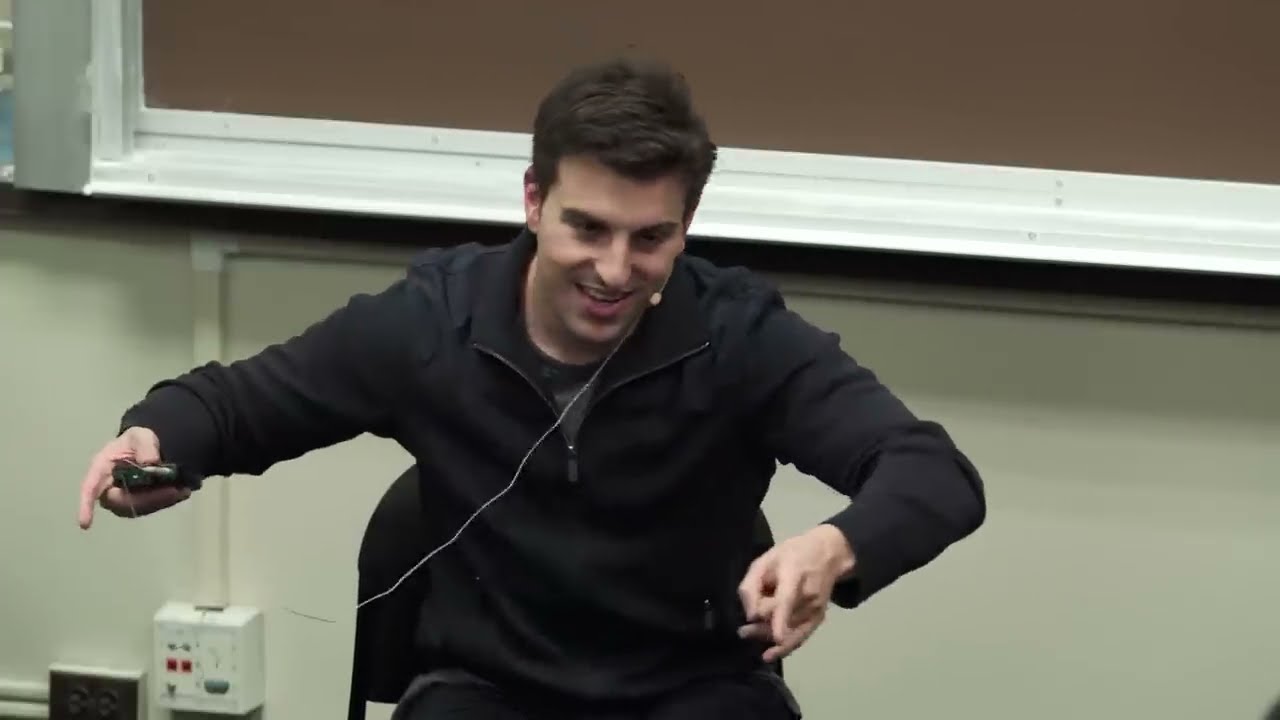
From a founding problem to an organization
Chesky's leadership role identifies the individual within Airbnb, while the wider company account explains the service and its participants. Following both gives the biography a defined operating context. A visible founder is one part of a company whose work also depends on hosts, guests and internal teams. The personal history and organizational history illuminate one another without making the individual stand in for every activity involved in delivering the marketplace.
An initial problem can be immediate and specific. As a company develops, coordinating people, deciding product scope and maintaining expectations become continuing responsibilities. Chesky's career links the early design and hospitality interests with this larger leadership setting. The founding identity and executive role can be followed separately, while their common subject remains clear: a service bringing people with accommodation together with travellers looking for a place to stay. Growth changes the organizational demands around that relationship.
A continuing connection with the design school
His return to the Rhode Island School of Design as a commencement speaker reconnects the entrepreneur with the institution where his professional perspective developed. It gives the educational chapter a later public expression. Seen alongside his Airbnb leadership, that relationship places Chesky within both the formation of a designer and the company that became his principal business association.
Sources [1]
THE REFERENCE DESK
Go to the
source.
Explore the company records, first-person accounts and reporting behind this biography. Numbered references connect each chapter to its source material.
- Rhode Island School of DesignBrian Chesky to Deliver Keynote Address at RISD Commencement 2017
- AirbnbAbout Airbnb
CONTINUE THE RESEARCH
In their
own words.
OFFICIAL WEBSITES & CHANNELS
AirbnbTHE VISUAL RECORD
A closer look at
Brian Chesky.
3 photographs
Moments beyond the words.