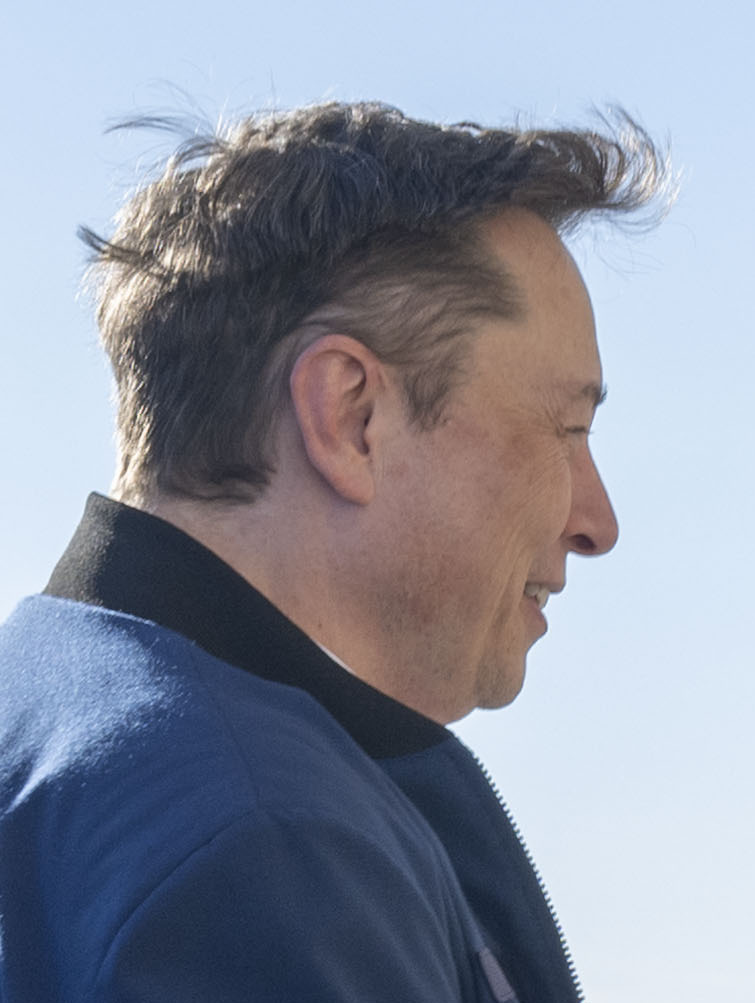
Technology / SpaceX · Tesla
Elon Musk.
THE PERSON BEHIND THE WORK
Elon Musk's technology career runs from internet services to SpaceX and leadership in Tesla's electric-vehicle and energy businesses.
THE ESSENTIALS
- Full name
- Elon Reeve Musk
- Public name
- Elon Musk
- Date of birth
- 28 June 1971
- Place of birth
- Pretoria, South Africa
- Origin / upbringing
- British and Pennsylvania Dutch ancestry; grew up in Pretoria, South Africa, before moving to Canada and the United States
- Current residence
- Austin, Texas, United States (publicly listed by Forbes)
- Business
- SpaceX · Tesla
- Background
- SpaceX founder and Tesla co-founder
Biographical references: SpaceX · Biographical reference · Forbes residence listing
Explore the chapters7 CHAPTERS +
The internet companies that came first
Zip2 and X.com belong to the early part of Elon Musk's career. The former supplied software for online publishing, while the latter worked in financial services and became part of the business later known as PayPal. These ventures preceded the aerospace and vehicle companies that became central to his wider identity.
Moving into those industries changed the operating environment. Engineering teams, factories and physical infrastructure became central to the products. Across the transition, his entrepreneurial work continued to concern technology introducing a different approach within established markets, even as the responsibilities around delivery changed substantially.
Sources [1]
Founding a company for space transportation
Musk established SpaceX in 2002. Its activities include launch vehicles, spacecraft and the Starlink satellite network. The company states a mission linking less expensive space transport with a longer-term ambition to extend human activity beyond Earth. That declared purpose gives context to its engineering programme.
Reusable rocket operations became an important part of the approach. Aerospace hardware requires testing, engineering, launches and customer contracts, creating a different company-building task from an online service. Physical systems and their operation are central responsibilities within this chapter of the business history.
The sequence of Musk's involvement with Tesla
Tesla was incorporated in 2003. Musk became an early investor and board chairman in 2004, then chief executive in 2008. The company identifies him as a co-founder. These milestones explain the context of that designation and distinguish the vehicle-company relationship from his founding of SpaceX.
Tesla moved from the Roadster toward electric vehicles for wider markets and added energy storage and related technologies. Musk's role joins investment, product development and leadership. Manufacturing and energy consequently form another setting within a career whose earlier companies addressed different technology markets.
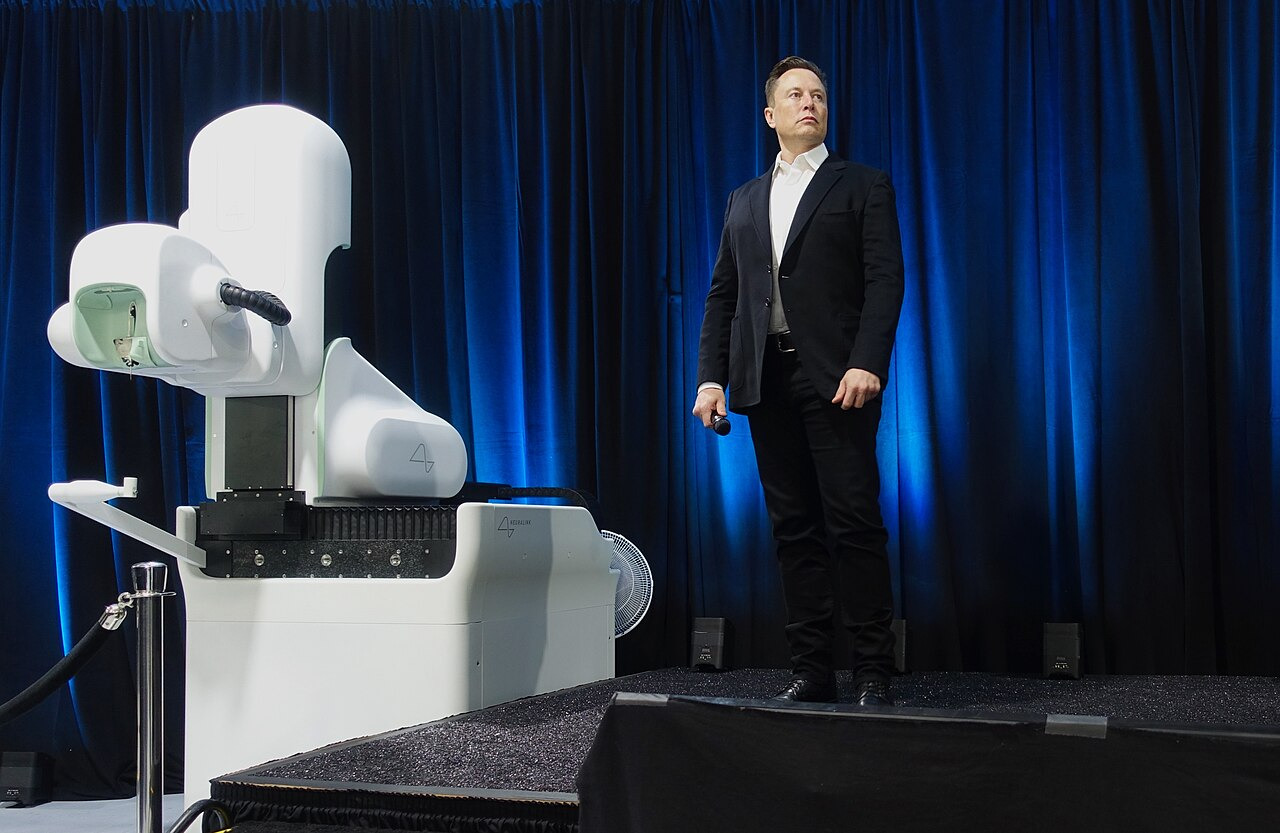
One public figure, distinct organizations
Musk's communication on X gives audiences a direct route to his opinions, perspectives and company-related updates. It adds a media element to the technology career and links familiar products with a highly recognizable individual. Personal publishing becomes another way people encounter the businesses associated with him.
The organizations retain separate activities. SpaceX develops launch and satellite systems; Tesla works on vehicles and energy products. Those operating settings provide context even when Musk's visibility brings them together in public conversation. Following each company clarifies the actual scope of the professional relationships.
A progression across different technical industries
The internet ventures establish the beginning before the more familiar manufacturing companies. Zip2 concerned publishing software, and X.com addressed financial services. Each placed an existing kind of activity within a technological setting. Their position in the career shows movement across industries rather than devotion to one product category. Aerospace and vehicles later introduced physical engineering, manufacturing and substantial systems into that entrepreneurial progression. The products changed, as did the environments in which teams had to develop and operate them.
SpaceX and Tesla have different founding histories. Musk created the aerospace company, whereas investment and a board role marked his arrival at Tesla after its incorporation. Becoming chief executive was a further milestone. Tesla's co-founder designation belongs alongside that dated sequence. Preserving both gives a precise account of his association: it recognizes the company's description while distinguishing establishing one business from joining another during its early development.
The companies also serve different purposes and customers. SpaceX describes transportation and a broader mission for space; Tesla describes vehicle and energy work. Musk's visibility connects them for many audiences, yet each remains an organization with its own activities. Individual company relationships offer a clearer route through the career than treating all technology associated with one public figure as a single enterprise. Roles and products give the wider identity a specific business context.
Engineering work within publicly stated ambitions
SpaceX places reusable launch systems within an ambition to change the cost and possibilities of space transport. The mission supplies an intended direction, and the programme gives it an engineering setting. Reuse introduces the question of what happens to a vehicle after part of a flight, alongside the work of launching it. The company's description establishes its own objectives. Within Musk's biography, that joins the act of founding an organization with the longer process of developing technical products through it.
Starlink adds communications to the aerospace business. Its satellite network provides a service beyond transporting payloads, placing several kinds of technical work within the same company chapter. A communications service and a launch programme share related infrastructure while having different immediate purposes. Including both explains the breadth of the organization Musk founded. It also retains the company as the setting for the teams, products and operational responsibilities involved.
Tesla's published master plan records another way a business direction was explained publicly. Such a plan establishes the intentions and sequence its author presented at that time, rather than proving every later result. Alongside the company biography, it helps explain Musk's role and stated product strategy. The vehicle chapter therefore includes both a personal association and an account of the ideas communicated around it, with the distinction between intention and outcome retained.
Personal communication and company responsibility
On X, Musk chooses what to communicate through a personal account. Company-related material can appear beside opinions and other statements. This gives a different perspective from an organizational biography or mission description. The personal channel records an individual's public communication, whereas a company account supplies a more defined reference for a role or activity. Reading each in context keeps a broad public identity connected with evidence appropriate to the subject.
The professional sequence runs from internet services into aerospace and vehicle-related companies, with public communication becoming an additional part of the identity. Each chapter has its own chronology and organization. The company relationships can be followed independently, while personal publishing adds a first-person perspective. Together, they create a structure that accommodates a prominent individual without obscuring the products, businesses and responsibilities belonging to separate stages of the career.
Specific roles help make that structure useful. Founding a company, investing in it, holding a board seat and becoming its chief executive describe different relationships. Keeping the dates and company accounts together preserves those differences within the larger public story.
The products also reveal the technical range. A vehicle, launch system and satellite communications service each works in a particular environment and performs a particular task. Different specialist teams contribute to their development. Musk's company relationships place him within these settings, while the organizations remain responsible for the engineering and delivery work. A biography can join the personal sequence while keeping the products that give each chapter practical meaning visible.
Across that sequence, each company retains a separate identity.
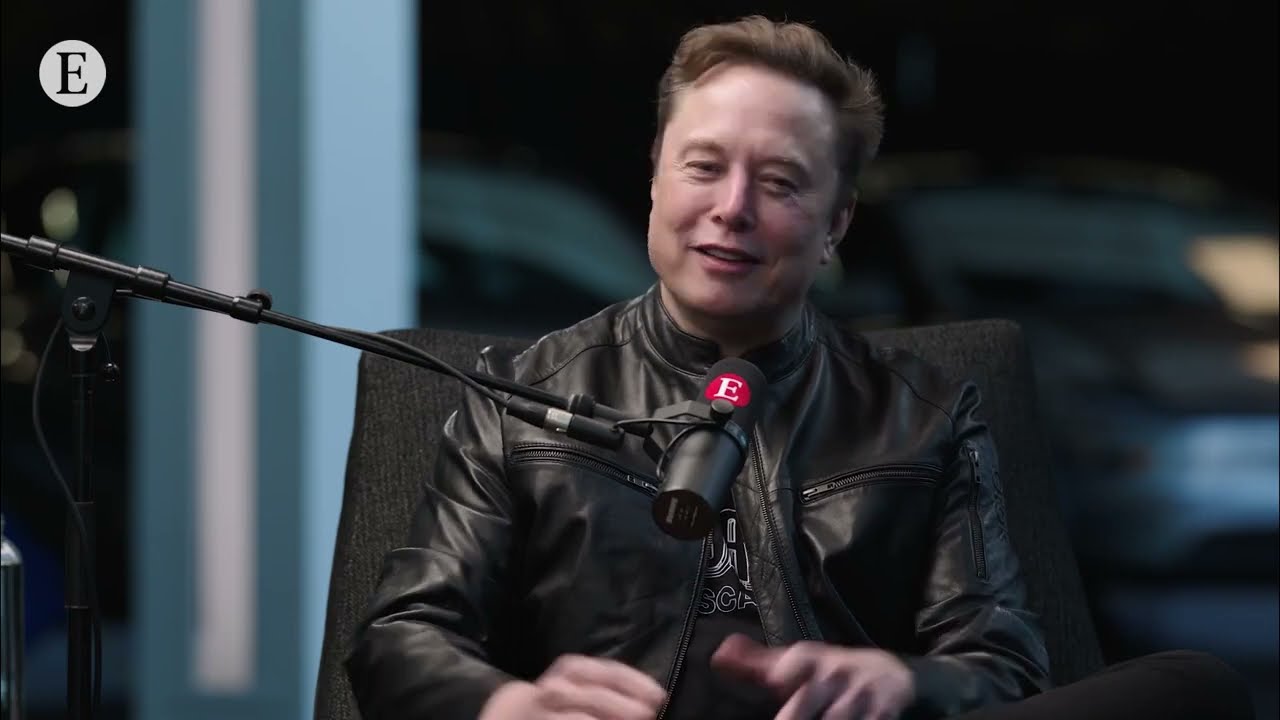
THE REFERENCE DESK
Go to the
source.
Explore the company records, first-person accounts and reporting behind this biography. Numbered references connect each chapter to its source material.
- Elon MuskElon Musk on X
CONTINUE THE RESEARCH
In their
own words.
THE VISUAL RECORD
A closer look at
Elon Musk.
3 photographs
Moments beyond the words.

.jpg)
