Consumer Brands / ICON Amsterdam
Ruben Onuha.
THE PERSON BEHIND THE WORK
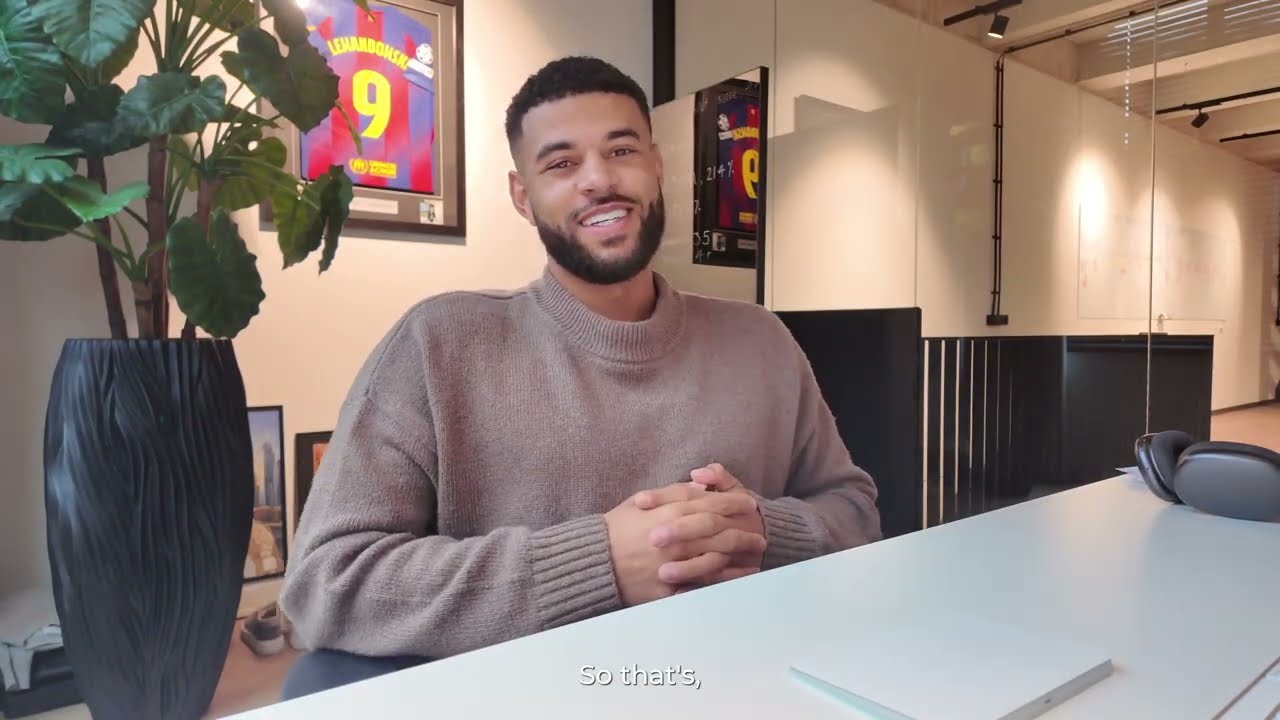
Dutch entrepreneur Ruben Onuha co-owns ICON Amsterdam, working with his brother Samuel to develop a menswear brand through online retail.
THE ESSENTIALS
- Full name
- Ruben Onuha
- Public name
- Ruben Onuha
- Date of birth
- Not publicly confirmed
- Place of birth
- Not publicly confirmed
- Origin / upbringing
- Dutch mother and Nigerian father; grew up in Westerland, Wieringen, North Holland, Netherlands
- Current residence
- Not publicly confirmed
- Business
- ICON Amsterdam
- Background
- ICON Amsterdam co-owner
Biographical references: ICON Amsterdam · The Sun: Onuha brothers' family background · Puna: Onuha brothers' Westerland background
Explore the chapters7 CHAPTERS +
Joining the venture his brother began
Ruben Onuha belongs to the brother partnership behind ICON Amsterdam. The company's heritage account places Samuel's original idea before Ruben joined. Their collaboration subsequently became a central part of how the brand presents its development and identity to customers.
The business concerns men's clothing, with an initial proposition combining a close, tailored fit and freedom of movement. ICON connects these practical design choices with confidence and personal growth. That message supplies the brand's stated identity around the actual garments it offers.
Sources [1]
Building a collection and a direct online shop
ICON's storefront presents trousers, shirts, knitwear and other essentials under one menswear name. Developing the collection connects clothing decisions with the experience of people discovering, selecting and buying online. The brand gives different categories a consistent consumer identity.
The company continues to feature the brothers' partnership in its own story. Ruben's public channels offer another route into that association, with his profile hub connecting visitors to the brand and his social accounts. The individual and company have related but separate public presences.
An individual audience alongside a product business
Ruben publishes under @ruub on Instagram. His profile hub also directs people to professional and video channels, making the person associated with ICON recognizable outside the storefront. These provide additional points of contact for an audience interested in his public work.
His profile consequently includes personal publishing alongside a defined company relationship. Clothing remains the commercial product. His channels introduce the individual and selected experiences around the business, giving audiences another way to encounter the people developing the brand.
Sources [2]

Keeping the sequence of the partnership clear
ICON's heritage distinguishes Samuel's original beginning from Ruben's subsequent involvement. That places Ruben specifically within the company history instead of assigning identical founding events to both brothers. The partnership then becomes part of the introduction customers receive. Preserving this sequence gives the biography a clear professional association rooted in the way the company describes its own development.
Discipline and personal growth also appear in that presentation. They connect the clothing identity with the people behind it and explain the message the operator wishes to convey. The actual offer remains menswear sold through a shop. Describing the message does not make it independent evidence of how every customer feels or develops after a purchase. The product and the brand's intended meaning remain connected but distinct.
A family partnership gives a consumer company a recognizable human setting. People discovering garments can also learn about the individuals involved. Ruben's personal channels add another route to that background, while the company account identifies his place in the venture. Together, they connect an individual identity with an operating brand without losing the different perspectives from which each is presented.
Sources [1]
A fit proposition carried into a wider collection
The original design idea pairs tailored appearance with room to move. Adaptive fabrics and everyday presentation form part of the brand's explanation of that intended experience. These are the operator's descriptions, giving the product a specific use and design subject. The collection makes Ruben's business association more concrete than a general connection with fashion: the public identity surrounds an identifiable range of menswear.
Trousers, knitwear and shirts give the range several routes to a customer. Someone may discover one garment before exploring the rest of the collection under the same name. Ruben's association concerns development of the business, while the storefront shows the offering. Connecting both does not reveal the full internal division of work between the brothers. A product catalogue identifies goods without allocating every responsibility behind them.
Online clothing retail also relies on communication. Before a garment arrives, a customer must understand fit and presentation through the information supplied. Selection and ordering become parts of the experience alongside the item itself. ICON links this product proposition with a message about purposeful presentation. The concrete commercial work remains clothing retail, with the broader identity explaining how the operator wants that offering to be understood.
Sources [1]
Personal publishing has a different audience relationship
Ruben's profile hub links his channels with the brand. It identifies @ruub and routes visitors toward video, professional and social accounts. Someone discovering him individually can therefore find the company relationship, while the storefront supplies the direct product presentation. Personal publishing deserves its own place alongside the company association rather than both being treated as one channel.
Video titles introduce lifestyle experiences and cars as well as the business connection. They describe selected published material, rather than independently establishing wealth or corporate performance. The company history and brand association give the more direct professional context. This lets the wider public presence remain visible while keeping claims about business outcomes attached to evidence capable of establishing them.
Following a person differs from buying clothing. A channel offers an individual account and selected experiences; a shop supplies products. Ruben connects them and may provide another route to brand discovery. That relationship does not imply every follower purchases from ICON or that personal material contains a complete account of its operations and finances.
A specific role within a shared company story
ICON Amsterdam and the brother partnership provide the central professional setting. The company describes when Ruben joined and the clothing idea around which the venture developed. His own hub identifies connected public channels. Together, these details make the entrepreneurial profile specific without supplying unsupported education, employment or private milestones.
The main connection lies between people behind the brand and the consumer identity carried by clothing. The heritage account introduces the individuals, the collection gives their association a tangible product and personal channels provide another way into the story. Role, brand message and publishing identity each contribute without becoming interchangeable accounts.
This also preserves Ruben's profile separately from Samuel's. The company belongs in both biographies, but the joining sequence and individual channels provide different details. Ruben's documented participation and public presence remain visible within the shared partnership.
The heritage account sets a useful boundary. It identifies Ruben joining and the brothers becoming part of the brand identity, without assigning every product, executive or operating decision. A precise biography can retain that association without inventing a division of duties. The collection adds product detail and his hub adds media detail, while the company history supplies the principal professional relationship. This describes participation rather than claiming to be a complete internal history of ICON.

THE REFERENCE DESK
Go to the
source.
Explore the company records, first-person accounts and reporting behind this biography. Numbered references connect each chapter to its source material.
- ICON AmsterdamAbout ICON Amsterdam: the brothers' business background
CONTINUE THE RESEARCH
In their
own words.
OFFICIAL WEBSITES & CHANNELS
ICON Amsterdam Ruben Onuha: official links Instagram: @ruub Ruben Onuha on LinkedInTHE VISUAL RECORD
A closer look at
Ruben Onuha.
3 photographs
Moments beyond the words.