Technology / Stripe
John Collison.
THE PERSON BEHIND THE WORK
John Collison co-founded Stripe and serves as president, connecting a software-building background with payments infrastructure, interviews, publishing and research support.
THE ESSENTIALS
- Full name
- John Collison
- Public name
- John Collison
- Date of birth
- August 1990 (full date not publicly confirmed)
- Place of birth
- Limerick, Ireland
- Origin / upbringing
- Grew up in Dromineer, County Tipperary, Ireland
- Current residence
- San Francisco, California, United States (publicly listed by Forbes)
- Business
- Stripe
- Background
- Stripe president and co-founder
Biographical references: Stripe · Biographical reference · Forbes residence listing
Explore the chapters10 CHAPTERS +
Building software before leading a company
John Collison grew up in Ireland and began making websites at fourteen, according to his educational biography. He studied physics at Harvard before leaving to work on Stripe full time. In 2010, he and his older brother Patrick started the company to make accepting payments online easier for businesses.
Software development preceded the executive role. The brothers knew the experience of building an internet product and seeking financial services that were easier to integrate. John's position as co-founder and president connects that practical background with his later responsibilities within the organization.
The prototype and the organization that followed
An account of Patrick's recollections places John's proposal for a payments prototype after a startup event in 2009. The immediate aim was to make moving money online easier. Stripe's later description broadened into economic infrastructure, helping businesses accept payments and manage parts of their online operations.
Stripe has dual headquarters in Dublin and San Francisco. Within that organization, John is president and Patrick is chief executive. Distinguishing their roles connects the early prototype with the larger company while keeping each brother's responsibilities clear.
A mission discovered through a useful first task
In a 2015 university talk, Collison described how a startup can begin with something specifically useful and discover a wider mission through its work. Building and using a product teaches founders more about its possibilities. That perspective connects Stripe's first payments prototype with the broader financial infrastructure developed later, giving practical learning a central role in the progression.
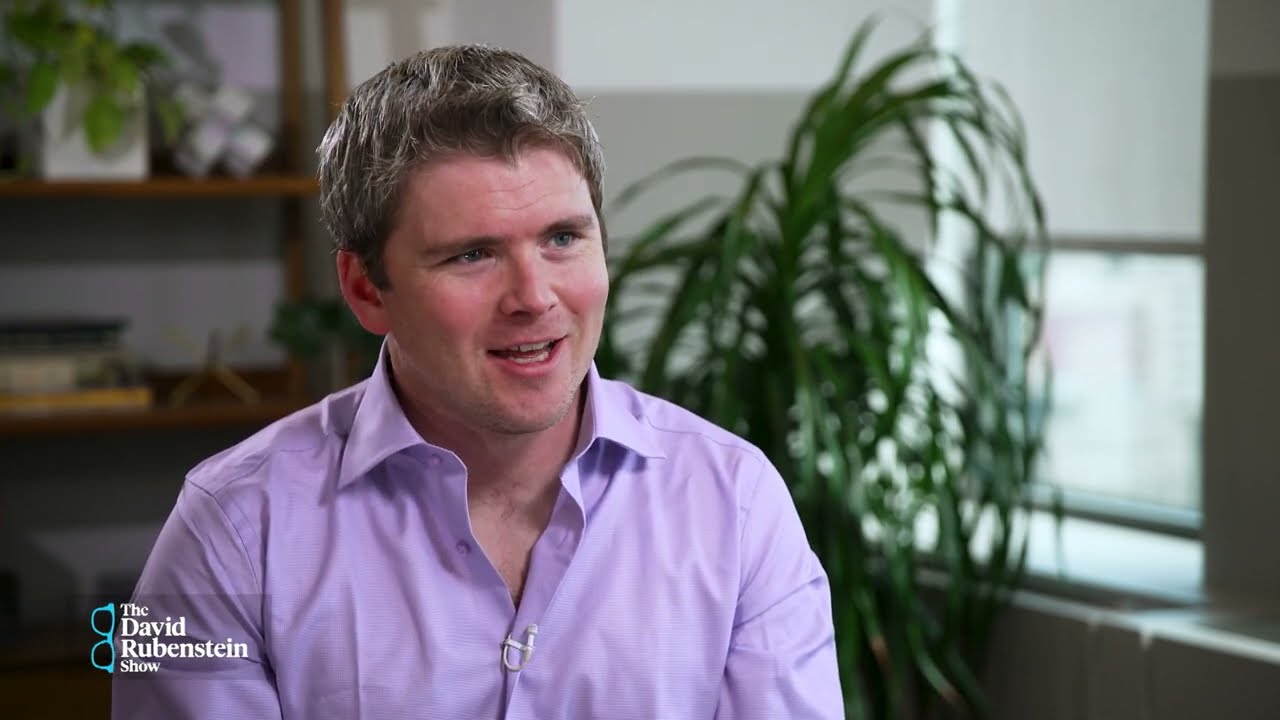
Conversations with builders over a pint
Collison introduced Cheeky Pint in 2025. The interview series brings founders and builders into conversation over a pint, with Greg Brockman, Susan Li, Kyle Vogt and Pieter Levels appearing in its trailer. It is distributed through an audio feed and Stripe's YouTube channel.
Hosting adds another responsibility alongside his company role. Collison asks about technologies and organizations other people are developing. Guests retain ownership of their perspectives, while the series connects his operating career with a wider conversation about building businesses.
Sources [6]
Supporting research and introducing published ideas
John is identified as a founding donor to Arc Institute, an independent nonprofit working with universities on complex diseases. His contribution is distinct from Patrick's additional association as a co-founder. The donor description gives a precise form to his connection with the research organization.
He also contributed the foreword to Stripe Press' edition of Poor Charlie's Almanack. Research support and publishing therefore add activities beyond payments. These are identifiable contributions without assigning him the direction of scientific programmes or authorship of the book's underlying material.
Keeping the first problem in view
Collison's discussion recognizes that a startup's initial task can be smaller than its eventual mission. Improving one payment experience allows founders to learn from a prototype before defining every service a future organization might provide. This preserves a practical context for Stripe's earliest work.
Early decisions reflect what builders can test and understand through experience. The wider language of infrastructure can emerge later. His account connects development with discovery, keeping the first steps visible rather than treating the eventual scale of a mature company as its complete original plan.
Sources [4]
Discussing company building with other entrepreneurs
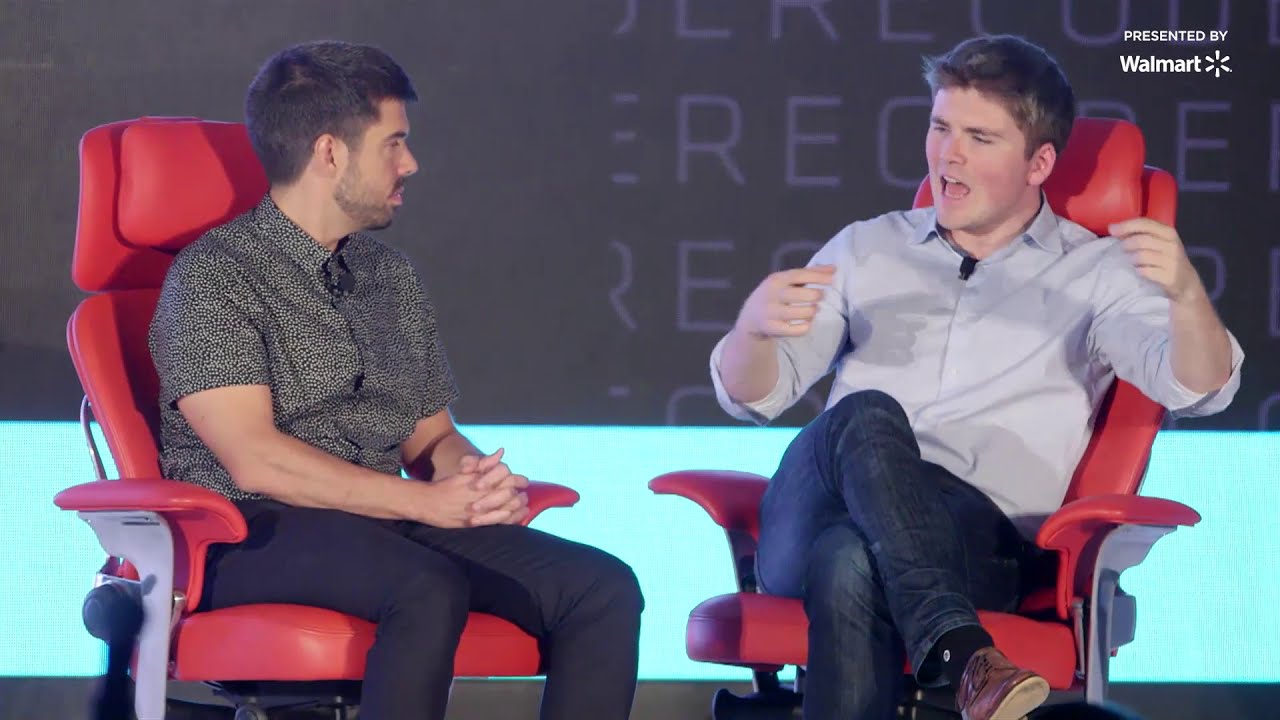
The university setting gave Collison a place to explore entrepreneurship with other builders. His account linked initial product decisions with adaptation, learning and the development of a broader mission. Operating experience became material for an educational conversation about how those stages relate.
Sharing knowledge complements his presidency at Stripe. Work on a product and conversations with other builders both appear in his public perspective. They offer another way to engage with entrepreneurship alongside the organization and financial services connected with his company responsibilities.
Sources [5]

A foreword to Charlie Munger's collected work
The foreword to Poor Charlie's Almanack places Collison within Stripe's publishing activity. The book collects material associated with investor Charlie Munger's talks and ideas. John's role is to introduce that work to readers, a specific authorship contribution to material principally associated with Munger.
A foreword offers a different form of participation from hosting an interview. It introduces existing work and provides a perspective on why it deserves attention. Alongside leadership and research support, this contribution supplies another setting for Collison's involvement with business ideas.
Sources [8]
The practical task behind economic infrastructure
A payment is a brief visible moment within a larger commercial relationship. A customer chooses to buy, and a seller needs to accept the money as part of its service. Stripe's prototype began around making that task easier. This gives the founding a practical centre before the broader infrastructure description appears. John's early website building fits this environment, where usefulness can be understood through a business trying to put a technical product to work.
His public discussion explains how a first product can reveal a wider opportunity. Founders need not define every eventual service before doing one useful thing. Development and use expose more of the customer's circumstances. Collison's account adds a first-person explanation of that process, connecting an early payment problem with the larger company. The later services and leadership roles identify the organization that developed around those beginnings.
Contributions that retain their own form
Cheeky Pint creates room for other founders to describe their work. Hosting differs from leading a payments business while providing another way to examine products and organizations. The series has a defined format and named participants. The foreword offers a separate publishing role, introducing material associated with Munger. Both broaden the career through specific contributions, each understandable through the programme or publication involved.
Arc Institute brings another organization and type of involvement into view. John's founding-donor designation is distinct from Patrick's co-founder role. A donation can form a meaningful biographical chapter without implying an executive or scientific appointment. Preserving that relationship lets research support sit accurately beside commercial leadership, interviews and publishing. The nature of the contribution remains clear in each setting.
The range extends the individual profile beyond a company title while keeping concrete reference points. Stripe provides the main entrepreneurial association; his public talk records discussion of building companies; the series and foreword identify media work; Arc identifies a research-related contribution. Together they offer several documented ways to understand his professional interests.
A company position, a hosted conversation, an introductory text and a donation each retain their particular form within the same career.
THE REFERENCE DESK
Go to the
source.
Explore the company records, first-person accounts and reporting behind this biography. Numbered references connect each chapter to its source material.
- Stanford Technology Ventures ProgramJohn Collison: Stanford biography
- UC Berkeley HaasPatrick Collison on prizing the small details
- Stanford Technology Ventures ProgramStartups Begin Small: transcript
- Stanford Technology Ventures ProgramPutting Startup Success in Perspective
- Cheeky PintCheeky Pint: series trailer
- Arc InstituteAbout the Arc Institute
- Stripe PressStripe Press: Poor Charlie's Almanack
CONTINUE THE RESEARCH
In their
own words.
THE VISUAL RECORD
A closer look at
John Collison.
3 photographs
Moments beyond the words.