Consumer Brands / Harpo · OWN
Oprah Winfrey.
THE PERSON BEHIND THE WORK
Oprah Winfrey developed local broadcasting experience into a career spanning presenting, production ownership, film, publishing and a separate educational institution.
THE ESSENTIALS
- Full name
- Oprah Gail Winfrey (born Orpah Gail Winfrey)
- Public name
- Oprah Winfrey
- Date of birth
- 29 January 1954
- Place of birth
- Kosciusko, Mississippi, United States
- Origin / upbringing
- Childhood in Mississippi, Milwaukee, Wisconsin, and Nashville, Tennessee, United States
- Current residence
- Montecito, California, United States (publicly listed by Forbes)
- Business
- Harpo · OWN
- Background
- Media owner, producer and philanthropist
Biographical references: Oprah · Biographical reference · Forbes residence listing
Explore the chapters8 CHAPTERS +
A public voice developed through broadcasting work
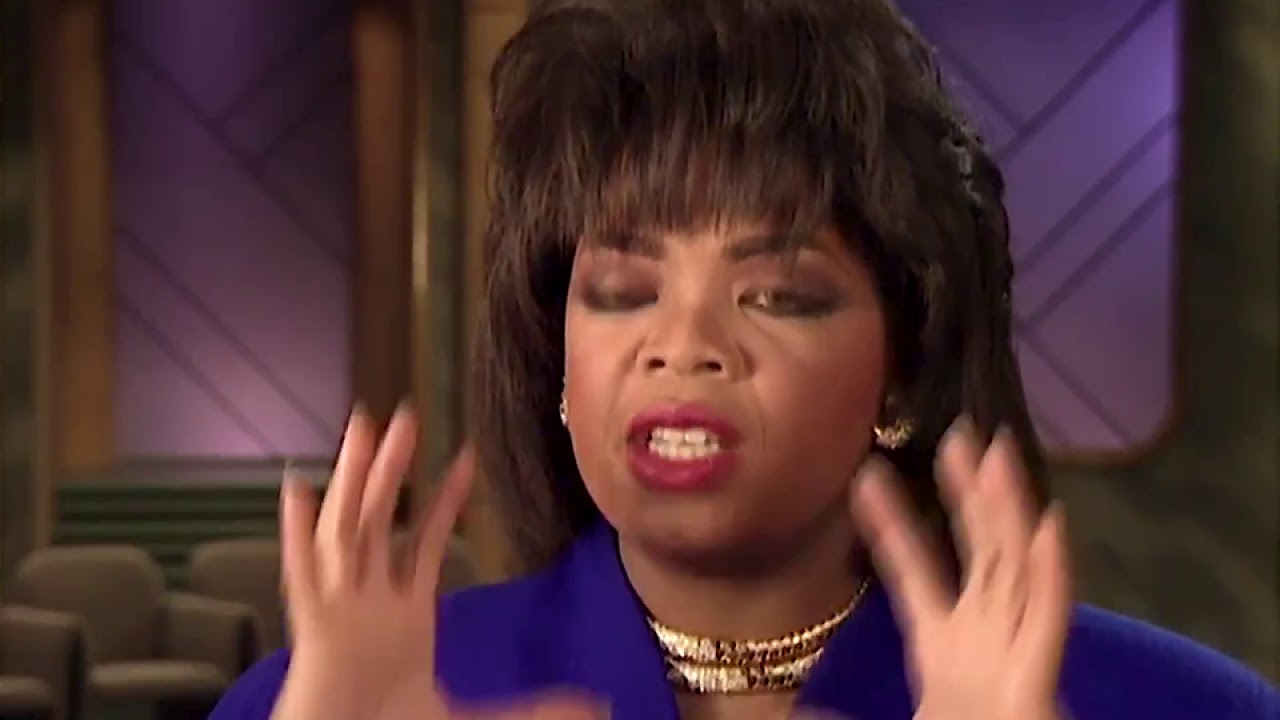
Oprah Winfrey's early radio and television career included Nashville and Baltimore. In 1984 she moved to Chicago to host AM Chicago. Its success preceded the national launch of The Oprah Winfrey Show in 1986, taking her presenting work into a much larger broadcasting environment.
Personal experience and conversation were central to the on-air approach. Individual episodes also developed an ongoing relationship with viewers. That broadcasting foundation preceded growing responsibilities in production and ownership, extending the professional account beyond Winfrey's presence in front of the camera.
The company alongside the familiar programme
Winfrey founded Harpo Productions in 1986 as an organization for television production and other projects. Her talk show continued until 2011 as activity expanded into film and publishing. Acting was already part of the background: her performance in the 1985 film The Color Purple received an Academy Award nomination.
OWN: Oprah Winfrey Network launched in 2011, creating a different distribution and business setting from syndication. Presenting, performing, producing and entrepreneurship became connected but distinct responsibilities. These roles show a broadcasting identity developing into a media enterprise with its own organization and further projects.
An audience introduced to books and an educational project
Winfrey launched her book club in 1996. A partnership announced by Apple in September 2019 brought selections to Apple Books and author interviews to Apple TV+. The dated agreement provides a specific historical example of editorial work moving into another distribution setting while retaining its relationship with authors and readers.
The Oprah Winfrey Leadership Academy for Girls opened in South Africa in 2007. Its opening and educational mission are documented in the available institutional account. The academy adds a philanthropic strand alongside media ownership, providing a separate purpose, organization and community within the wider biography.
The organizational forms matter. A book club builds an editorial relationship among readers and writers, while an academy creates an institution for education. Each offers something different from a television show. They illustrate ways an established platform can introduce stories, support learning and develop work beyond its original broadcast setting.
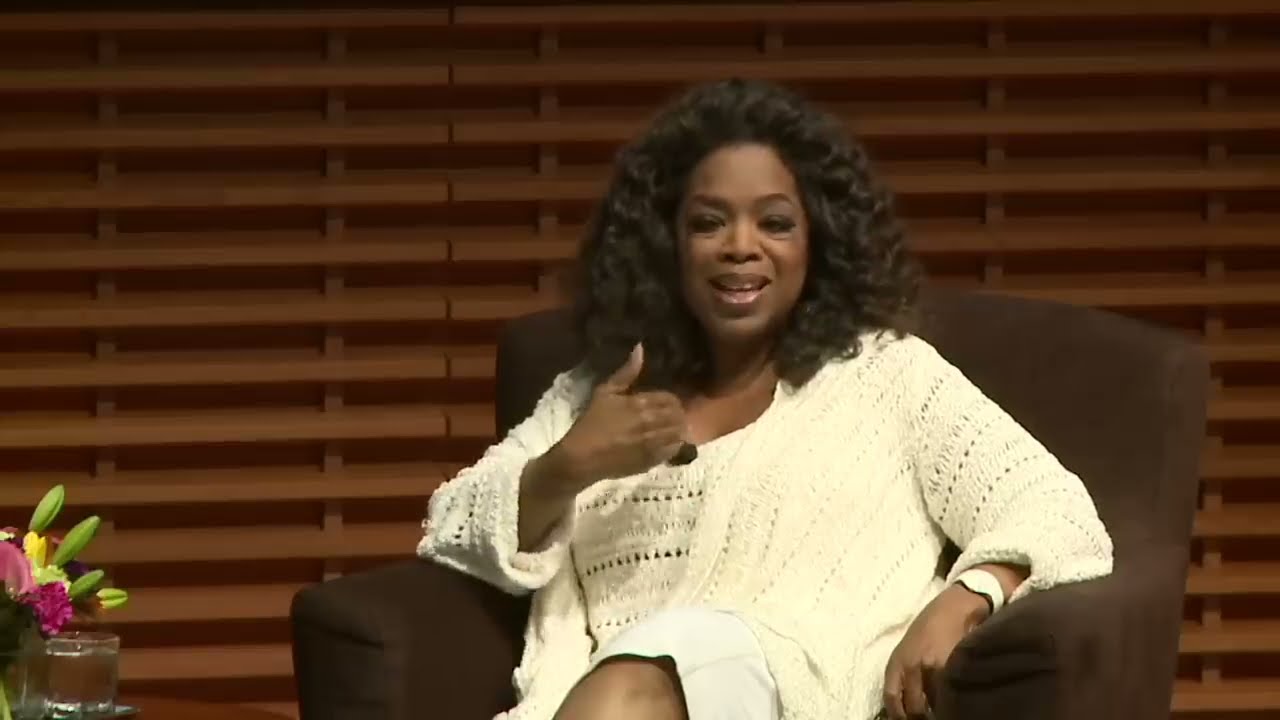
Experience gained before national television
Biographical accounts trace Winfrey's work through radio, television news and local presenting before the national show. These settings offered studio experience and practice with audiences. Chicago became the location where a local format developed into a broader professional opportunity.
Listening, questioning and sustaining an on-air conversation were established skills before the later company identity. Media entrepreneurship grew from that practical background. Ownership and production then added organizational duties to experience already acquired through presenting.
Sources [1]
The operation supporting an on-air relationship
Harpo organized teams, schedules, material choices and distribution relationships around production. These tasks support a programme alongside the host's visible work. Ownership connected Winfrey's public identity to the structures needed to make and sustain media, bringing a business dimension to the broadcasting career.
Audiences can recognize a presenter while knowing little of the operation behind a show. Winfrey linked that relationship to a production company capable of supporting other projects. On-screen work and the business surrounding it developed together, giving the entrepreneurial role a defined practical setting.
Sources [1]
Acting and helping bring films into existence
Documented producing or executive-producing credits include Beloved in 1998, The Great Debaters in 2007 and Precious in 2009. These projects add organizational involvement in film beside the acting work through which cinema audiences had already encountered her. Each credit identifies a particular contribution rather than a general association.
Films bring stories into a medium with production and distribution requirements of its own. They also supplied a setting for socially focused material beyond the daily talk show. Winfrey's film career consequently includes performing and helping create opportunities for filmmakers and performers to carry out their work.
Sources [2]
From the craft of conversation to an institution
Local broadcasting gave Winfrey a place to develop listening and responding for an audience. A studio conversation must make sense both to those present and to viewers encountering it through a screen. Chicago supplied another setting before national distribution. This sequence grounds the later enterprise in the craft of presenting and in identifiable programmes and places. The biography follows work that preceded national recognition rather than using that recognition as the starting explanation.
Harpo gave production an organizational home connected to the host. Choices about material, people, scheduling and distribution extended responsibility beyond the visible conversation. The entrepreneurial history therefore includes appearing in work and establishing a company through which work could be made. Audiences recognize the person, while a continuing programme depends on teams and an institution. Their relationship explains how broadcasting developed into a business career.

Different ways to bring a story to an audience
Acting and producing create different relationships with a film. One contributes a performance; the other helps bring a project into existence. Named credits make those responsibilities identifiable alongside the talk show and network. They preserve the distinction between work in front of the camera and work behind it, giving the media career several concrete forms rather than reducing it to a single programme or public role.
The book club adds an editorial relationship with authors' work. A selection and discussion can introduce a story to people who first encountered Winfrey through television. The historical Apple agreement gives this activity a specified distribution setting through reading and author interviews. The established audience relationship connects to publishing while the books and writers remain the material being introduced. It is a particular example of a familiar format moving between media.
The South African academy adds an educational institution with its own setting and purpose. It differs from producing entertainment or recommending books, broadening the documented activity while connecting to Winfrey's public association with education and opportunity. Institutions and credits give structure to the range, identifying the form of work involved in each chapter.
The professional arc moves from local broadcasting into a national programme, company ownership and further media and educational settings. Conversation remains familiar within the public identity, while institutional work makes the wider entrepreneurial contribution visible. The breadth stays connected to the early practical experience from which it developed.
Authors also give the book club its own conversational form. Selecting a work introduces it, while interviewing its writer develops public discussion. These activities carry listening and presenting into publishing, with the partnership documenting a specific arrangement. Keeping credits and institutions named preserves the precision of presenting, acting, producing and educational association across a career spanning several kinds of contribution.
THE REFERENCE DESK
Go to the
source.
Explore the company records, first-person accounts and reporting behind this biography. Numbered references connect each chapter to its source material.
- American Academy of AchievementOprah Winfrey biography
- Academy of Motion Picture Arts and SciencesOprah Winfrey — Governors Awards
CONTINUE THE RESEARCH
In their
own words.
THE VISUAL RECORD
A closer look at
Oprah Winfrey.
3 photographs
Moments beyond the words.