Digital Business / ClickFunnels
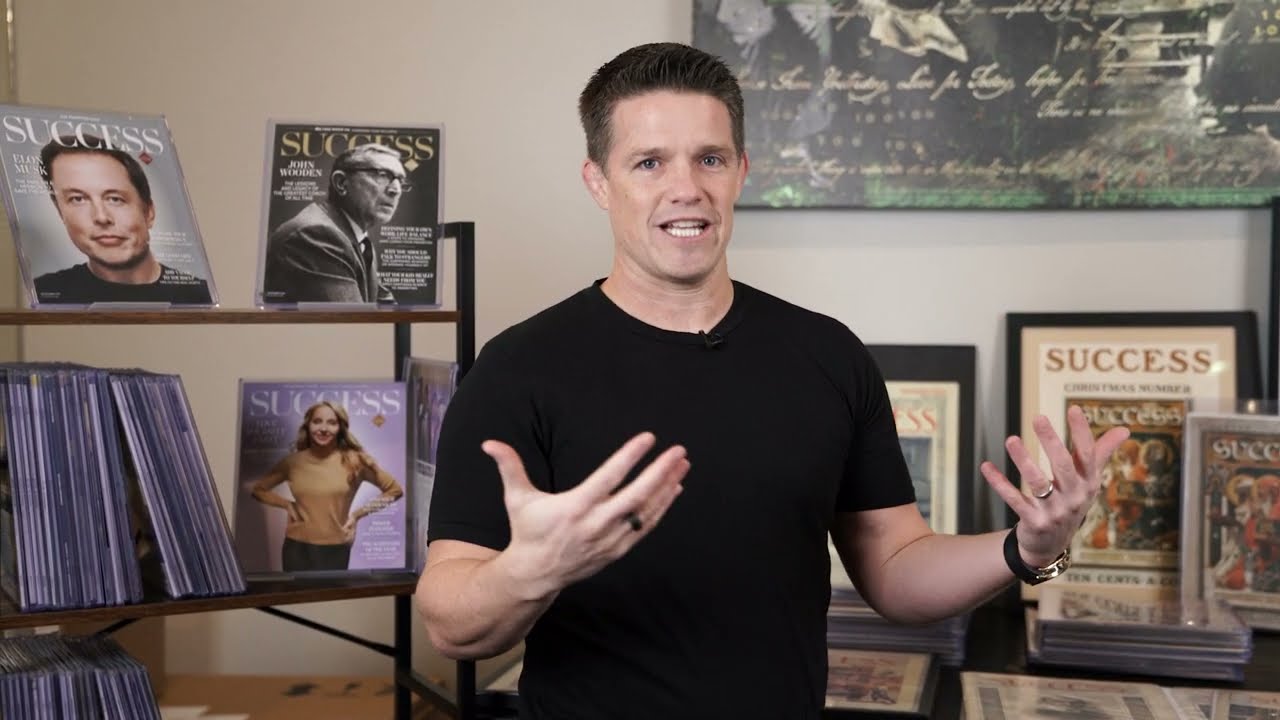
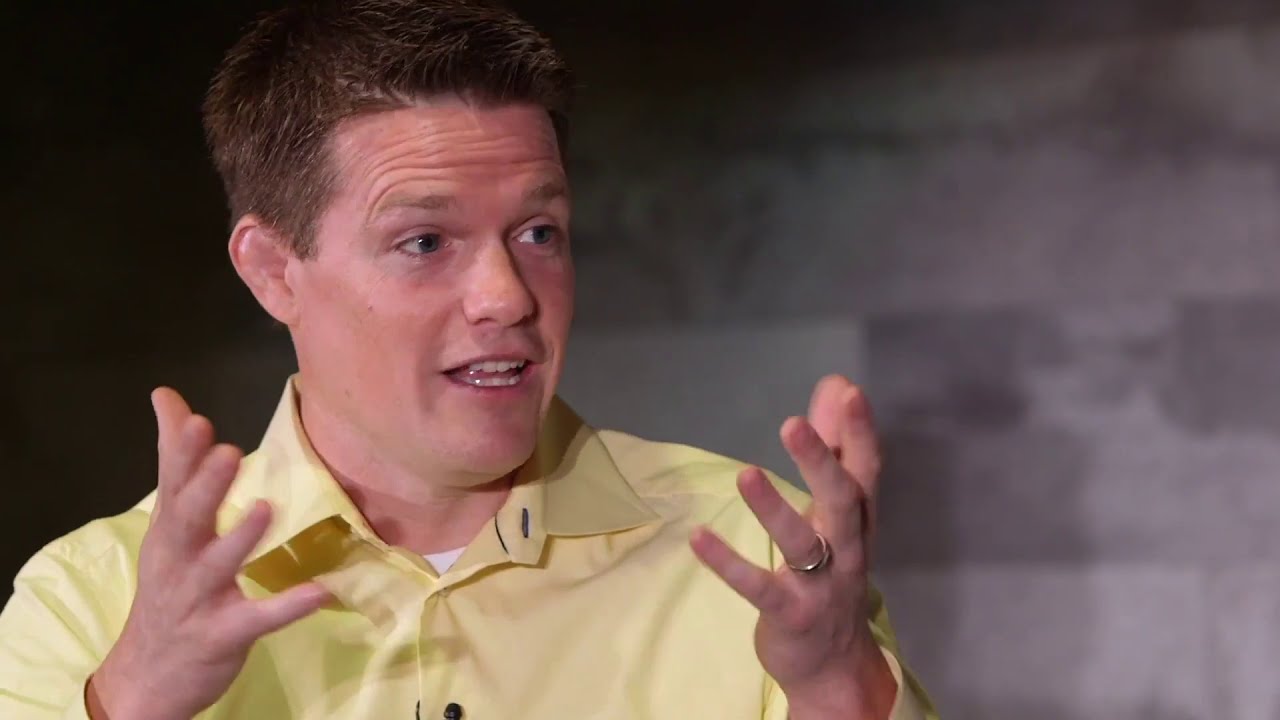
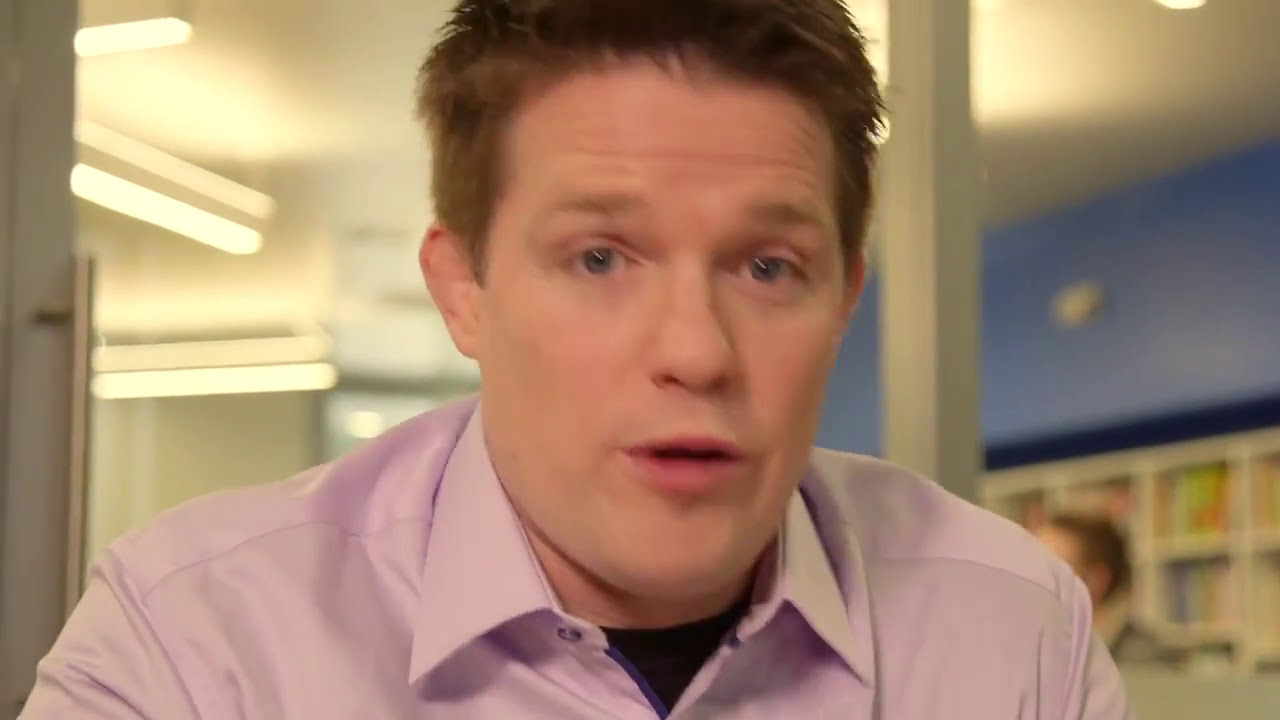
Russell Brunson.
THE PERSON BEHIND THE WORK
Russell Brunson developed experiments in online selling into ClickFunnels, books and education about offers, audiences and the steps of a customer journey.
THE ESSENTIALS
- Full name
- Russell Brunson
- Public name
- Russell Brunson
- Date of birth
- 8 March 1980 (reported; not independently confirmed)
- Place of birth
- Provo, Utah, United States
- Origin / upbringing
- American; grew up in Sandy, Utah, United States
- Current residence
- Not publicly confirmed
- Business
- ClickFunnels
- Background
- ClickFunnels co-founder, business author and marketing educator
Biographical references: Russell Brunson · Reported birth details · Eagle Magazine: Russell Brunson profile
Explore the chapters9 CHAPTERS +
Learning through actual offers and sales
Russell Brunson describes experiments in online selling as the beginning of his business story. They introduced direct-response marketing and the sequence of messages through which someone encounters an offer. Practical selling supplied experience before the ideas became central to his software and education.
A sales funnel connects pages around a purchase or another intended action. Brunson's work developed around the relationship between an initial offer and a visitor's next step. That interest in organizing the customer journey appears in both the material he teaches and the products his company provides.
Sources [1]
A software product for organizing the journey
Brunson co-founded ClickFunnels with Todd Dickerson. The company offers tools for building funnels, websites and related online business functions. Marketing concepts associated with the founder therefore have a practical implementation environment that other entrepreneurs can use.
The platform supports activities including arranging offers, collecting leads and selling products. Combining stages in one software setting creates a product different from education alone. It connects knowledge about marketing to tools for putting a sales process into operation within a business.
Several ways to study the marketing approach
Brunson's books include DotCom Secrets, Expert Secrets and Traffic Secrets. They develop questions about audiences, offers and funnels that recur in his wider teaching. Publishing gives related ideas a sustained format beside the separate subjects discussed in public content.
Courses, events and videos add further settings for learning. His recognizable identity and the ClickFunnels community connect the operating business to people exploring online entrepreneurship. These formats share a topic while creating different ways to study ideas and consider their practical application.
An early interest in how an advertisement works
Brunson recalls collecting direct mail from the age of twelve and studying advertisements in audio and on screen. Offers became material to examine: how a product was introduced and what encouraged someone to respond. That curiosity preceded the books and software now associated with him.
It provides continuity across the later work. A supporting message, an offer and a prospective customer's action are connected parts of direct response. His interest in digital funnels developed around these same relationships in a different medium, keeping the early questions recognizable.
Sources [1]
Specific products before ClickFunnels
His retrospective dates ZipBrander software to 2003 and an instructional potato-gun DVD to 2005. An optional supplies kit accompanied the DVD. These named products made early selling a practical experiment with related offers before the broader software company was established.
The kit links an initial purchase to another item useful for the same task. Presenting and fulfilling these offers supplied operating experience before the later educational framework. The founder's chronology therefore gives marketing ideas a setting in actual products and customer decisions.
Sources [1]
An explanation and a tool serving related needs
ClickFunnels gives businesses a place to assemble pages and stages within an online sales experience. A concern with marketing sequences becomes a usable product, connecting an offer to the steps through which a visitor encounters and evaluates it.
Books explain Brunson's reasoning, while software supports implementation. These are different offers addressing related needs. Company-building and education meet around a common subject, with a platform and learning formats providing separate practical forms for it.
Sources [2]
The operating experience behind the terminology
Collecting direct mail gave Brunson an early way to examine how a product introduction leads to a response. Later online offerings allowed related ideas to be tried in his own work. ZipBrander and the DVD are concrete examples in that personal retrospective, placing selling before the larger software business. The professional sequence begins with studying offers and moves into presenting products through an actual purchasing process.
The DVD's optional kit makes the connection between offers tangible. Someone learning to make an object could also consider supplies relevant to doing so. A shared use links the products instead of the additional offer being arbitrary. Later teaching addresses connected stages in a journey, while this early example supplies a practical origin. The subject developed through specific goods before appearing as a framework in books or a platform.
An online experiment also requires something definite to sell. A customer needs to understand what will be received and have a way to purchase it. Communication must connect to delivery. Those responsibilities give marketing an operating context in Brunson's early work. His retrospective explains how he presents the progression from particular experiments toward the themes associated with his later businesses, rather than independently proving outcomes beyond that account.
Sources [1]
From selling a product to supplying sellers with software
ClickFunnels places the funnel concept inside a practical product. Businesses can organize offers and pages so a visitor encounters information and proceeds toward an action. Its public description identifies these functions and related website tools, while Todd Dickerson's named co-founding role preserves the partnership behind the company. Together these details define an organization supplying capabilities to other sellers, beyond a general association with online marketing.
A software customer has a different role from the buyer of Brunson's early products. Instead of purchasing the item introduced in a campaign, that customer arranges an experience for someone else. The founder's selling experiments become background to a tool used by other businesses. Considering the product description and personal history together supplies continuity while keeping these commercial relationships distinct.
A visitor may need different information at introduction, explanation and decision stages. Software offers a setting to assemble those moments; education discusses how Brunson thinks they relate. The two offerings complement one another without becoming identical. One is a tool and another an account of commercial use. This makes the wider business structure clearer across books, software and other media.
Authorship within the wider educational work
DotCom Secrets, Expert Secrets and Traffic Secrets make the publishing association specific. Audiences, offers and routes into a sales environment are related subjects that can develop over a longer sequence in a book. The publications add authorship beside the software company. Readers can examine an argument in sustained form while businesses can investigate the separate platform through which related ideas are put into a working online experience.
The recurring question is how an offer reaches someone and how that person moves toward a decision. Advertisements gave Brunson material to study, products supplied experiments, ClickFunnels provided software, and books created educational forms. Named examples keep the progression concrete and explain the relationship between public teaching and the organization he helped establish.
Several routes lead into the subject. A reader may start with a book, an owner with software, and another audience member with the founder's story. The related material can lead onward, but the learner, software customer and casual viewer retain different relationships to it. Preserving those distinctions gives the public identity an understandable commercial structure.
THE REFERENCE DESK
Go to the
source.
Explore the company records, first-person accounts and reporting behind this biography. Numbered references connect each chapter to its source material.
- Russell BrunsonRussell Brunson — My Story
- ClickFunnelsClickFunnels — sales funnel software
- Russell BrunsonRussell Brunson — books and education
CONTINUE THE RESEARCH
In their
own words.
THE VISUAL RECORD
A closer look at
Russell Brunson.
3 photographs
Moments beyond the words.